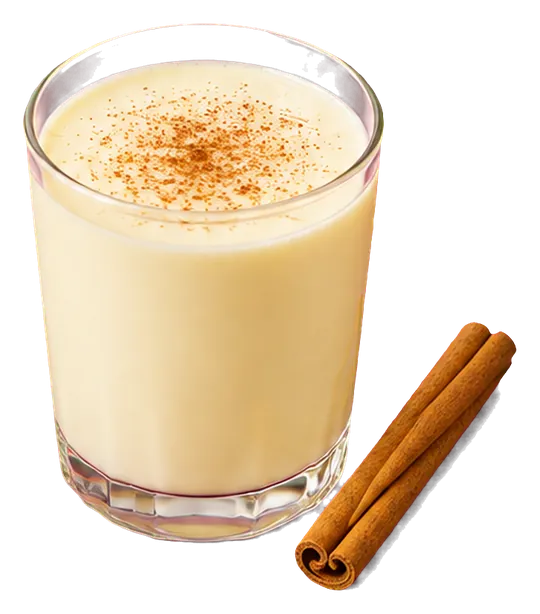
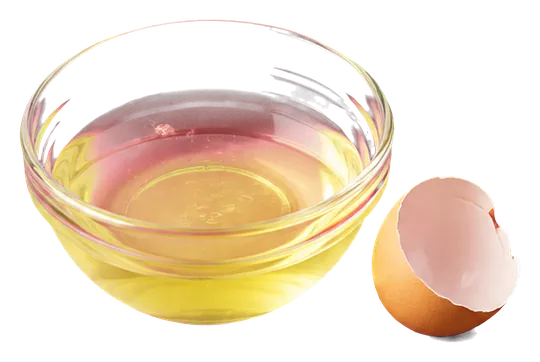
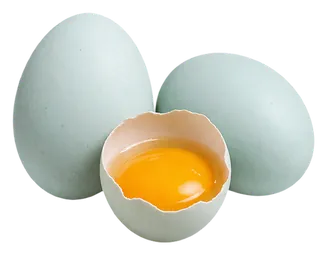
Lait de poule vs Blanc d'œuf : que choisir ?

Ajouter un troisième produit

Gagnant : Lait de poule

Gagne 3 sur 5 critères

Blanc d'œuf marque plus de points sur les caractéristiques communes aux deux produits, tandis que de poule obtient un score Comparexo global nettement plus élevé sur l'ensemble de ses caractéristiques.

Qui devrait acheter le produit de poule ?

  • Meilleur en vitamines
  • Meilleur en minéraux
  • Lutéine et zéaxanthine pour 100g: 54 µg

Qui devrait acheter le produit Blanc d'œuf ?

  • Meilleur en acides aminés
  • Meilleur en valeurs générales
  • Protéines pour 100g: 10,9 g

Qui mène par critère

Score de la catégorie sur 100 : proximité de chaque produit avec la meilleure valeur pour chaque caractéristique, pondérée selon l’importance qu’y accordent les acheteurs.

de pouleBlanc d'œuf
  • 81 Valeurs générales 94
  • 84 Minéraux 60
  • 98 Vitamines 77
  • 60 Lipides 41
  • 42 Acides aminés 97
  • Protéines pour 100g Important
    de poule4,55 g Blanc d'œuf10,9 g
    ×2,4 vs de poule
  • Lutéine et zéaxanthine pour 100g
    de poule54 µg Blanc d'œuf0 µg
    +54 µg vs Blanc d'œuf
  • Bêta-carotène pour 100g
    de poule7 µg Blanc d'œuf0 µg
    +7 µg vs Blanc d'œuf
  • Rétinol pour 100g
    de poule58 µg Blanc d'œuf0 µg
    +58 µg vs Blanc d'œuf
  • Vitamine A (UI) pour 100g
    de poule206 IU Blanc d'œuf0 IU
    +206 IU vs Blanc d'œuf
  • Vitamine A (ER) pour 100g
    de poule59 µg Blanc d'œuf0 µg
    +59 µg vs Blanc d'œuf

Aperçu

Pourquoi est-il meilleur ?
Lait de poule gagne sur 31 caractéristiques
  • Lutéine et zéaxanthine pour 100g
    54 µg
    vs 0 µg
  • Bêta-carotène pour 100g
    7 µg
    vs 0 µg
  • Rétinol pour 100g
    58 µg
    vs 0 µg
  • Vitamine A (UI) pour 100g
    206 IU
    vs 0 IU
  • Vitamine A (ER) pour 100g
    59 µg
    vs 0 µg
  • Vitamine C pour 100g
    1,5 mg
    vs 0 mg
  • Vitamine D pour 100g
    49 IU
    vs 0 IU
  • Vitamine D2 et D3 pour 100g
    1,2 µg
    vs 0 µg
Blanc d'œuf gagne sur 30 caractéristiques
  • Protéines pour 100g
    10,9 g
    vs 4,55 g
  • Cholestérol pour 100g
    0 mg
    vs 59 mg
  • Acides gras saturés pour 100 g
    0 g
    vs 2,59 g
  • Lactose pour 100g
    0,07 g
    vs 7,84 g
  • Sucres (totaux) pour 100g
    0,71 g
    vs 8,05 g
  • Cystine pour 100g
    0,29 g
    vs 0,06 g
  • Sélénium pour 100g
    20 µg
    vs 4,2 µg
  • Folate
    4 µg
    vs 1 µg
Toutes les caractéristiques côte à côte
Score Comparexo
4,4
Gagnant
3,2
Score global
Valeurs générales
Minéraux
Vitamines
Lipides
Acides aminés
9,9 points
5,1 points
2,6 points
6,6 points
0,8 points
8,2 points
1,9 points
1,4 points
6,7 points
5,6 points

Valeurs nutritionnelles pour 100 g

Spécifications

Aucune différence dans cette section

Protéines pour 100g
4,55 g
10,9 g
Glucides pour 100g
8,05 g
0,73 g
Énergie (kcal) pour 100g
88 kcal
52 kcal
Énergie (kJ) pour 100g
367 kJ
216 kJ
Fructose pour 100g
0,04 g
0,07 g
Galactose pour 100g
0,04 g
0,07 g
Glucose pour 100g
0,07 g
0,34 g
Lactose pour 100g
7,84 g
0,07 g
Lutéine et zéaxanthine pour 100g
54 µg
0 µg
Maltose pour 100g
0,04 g
0,07 g
Saccharose pour 100g
0,04 g
0,07 g
Sucres (totaux) pour 100g
8,05 g
0,71 g
Teneur en eau pour 100g
82,54 g
87,57 g
Fibre
0 g
0 g
Lycopène
0 µg
0 µg

Minéraux

Spécifications

Aucune différence dans cette section

Calcium pour 100g
130 mg
7 mg
Résidu sec pour 100g
0,67 g
0,63 g
Cuivre pour 100g
0,01 mg
0,02 mg
Fer pour 100g
0,2 mg
0,08 mg
Magnésium pour 100g
19 mg
11 mg
Manganèse pour 100g
0,01 mg
0,01 mg
Phosphore pour 100g
109 mg
15 mg
Potassium pour 100g
165 mg
163 mg
Sélénium pour 100g
4,2 µg
20 µg
Sodium pour 100g
54 mg
166 mg
Zinc pour 100g
0,46 mg
0,03 mg

Vitamines

Spécifications

Aucune différence dans cette section

Alpha-carotène pour 100g
0 µg
0 µg
Bêta-carotène pour 100g
7 µg
0 µg
Bêta-cryptoxanthine pour 100g
0 µg
0 µg
Choline
52,2 mg
1,1 mg
Folate
1 µg
4 µg
Niacine
0,1 mg
0,1 mg
Acide pantothénique
0,42 mg
0,19 mg
Rétinol pour 100g
58 µg
0 µg
Riboflavine
0,19 mg
0,44 mg
Thiamine
0,03 mg
0 mg
Bêta-tocophérol pour 100g
0 mg
Inconnu
Delta-tocophérol pour 100g
0 mg
Inconnu
Gamma-tocophérol pour 100g
0,08 mg
Inconnu
Vitamine A (UI) pour 100g
206 IU
0 IU
Vitamine A (ER) pour 100g
59 µg
0 µg
Vitamine B12 pour 100g
0,45 µg
0,09 µg
Vitamine B6 pour 100g
0,05 mg
0,01 mg
Vitamine C pour 100g
1,5 mg
0 mg
Vitamine D pour 100g
49 IU
0 IU
Vitamine D2 et D3 pour 100g
1,2 µg
0 µg
Vitamine E (alpha-tocophérol) pour 100g
0,21 mg
0 mg
Vitamine K pour 100g
0,3 µg
0 µg
Acide folique
0 µg
0 µg
Vitamine e
0 mg
0 mg

Lipides

Spécifications

Aucune différence dans cette section

Cholestérol pour 100g
59 mg
0 mg
Acides gras mono-insaturés
1,3 g
0 g
Acides gras poly-insaturés
0,2 g
0 g
Acides gras saturés pour 100 g
2,59 g
0 g
Lipides pour 100g
4,19 g
0,17 g

Acides aminés

Spécifications

Aucune différence dans cette section

Alanine pour 100g
0,2 g
0,7 g
Arginine pour 100g
0,19 g
0,65 g
Acide aspartique pour 100g
0,4 g
1,22 g
Bétaïne pour 100g
0,6 mg
0,3 mg
Cystine pour 100g
0,06 g
0,29 g
Daidzéine pour 100g
Inconnu
0 mg
Génistéine pour 100g
Inconnu
0 mg
Acide glutamique pour 100g
0,78 g
1,55 g
Glycine pour 100g
0,13 g
0,41 g
Histidine pour 100g
0,11 g
0,29 g
Isoleucine pour 100g
0,24 g
0,66 g
Leucine pour 100g
0,38 g
1,02 g
Lysine pour 100g
0,26 g
0,81 g
Méthionine pour 100g
0,12 g
0,4 g
Phénylalanine pour 100g
0,23 g
0,69 g
Proline pour 100g
0,35 g
0,43 g
Sérine pour 100g
0,24 g
0,8 g
Thréonine pour 100g
0,2 g
0,45 g
Tryptophane pour 100g
0,09 g
0,12 g
Tyrosine pour 100g
0,2 g
0,46 g
Valine pour 100g
0,29 g
0,81 g
Fluorure
0,2 g
Inconnu

Gagnant : Lait de poule

Lait de poule est supérieur dans 3 sur 5 domaines : il mène sur les spécifications que Les acheteurs préfèrent, et d'une marge plus vaste.

Lutéine et zéaxanthine pour 100g +54 µg

54 µg vs 0 µg

Bêta-carotène pour 100g +7 µg

7 µg vs 0 µg

Rétinol pour 100g +58 µg

58 µg vs 0 µg

Vitamine A (UI) pour 100g +206 IU

206 IU vs 0 IU

Vitamine A (ER) pour 100g +59 µg

59 µg vs 0 µg

Vitamine C pour 100g +1,5 mg

1,5 mg vs 0 mg

Vitamine D pour 100g +49 IU

49 IU vs 0 IU

Vitamine D2 et D3 pour 100g +1,2 µg

1,2 µg vs 0 µg