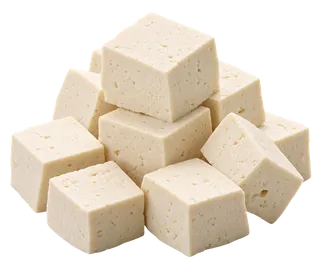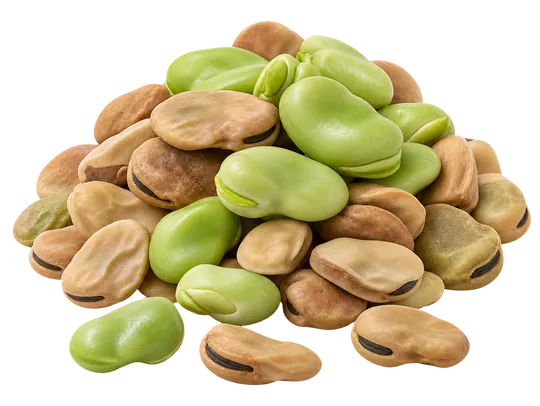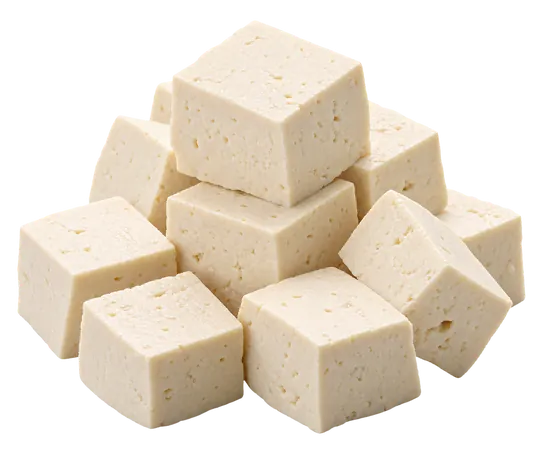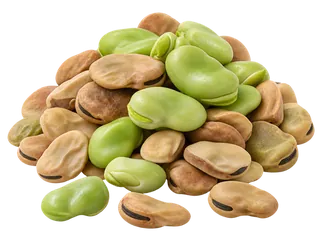
Dicke Bohnen vs Tofu (Natur): Was ist besser?

Geprüft von Alex Romano Chefredakteur Aktualisiert Testmethodik
Drittes Produkt hinzufügen

Sieger: Dicke Bohnen

Siegt in 3 von 6 Bereichen

Wer sollte Dicke Bohnen kaufen?

  • Stärker bei Aminosäuren
  • Stärker bei Vitamine
  • Ballaststoffe pro 100g: 25 g

Wer sollte Tofu kaufen?

  • Stärker bei Antioxidantien
  • Stärker bei Zucker
  • Wassergehalt pro 100g: 84,55 g

Wer liegt je Bereich vorn

Bereichs-Score von 100: wie nah jedes Produkt bei jeder Spezifikation am Bestwert liegt, gewichtet danach, wie wichtig Käufern diese ist.

Dicke BohnenTofu
  • 66 Allgemeine Werte 69
  • 45 Zucker 68
  • 84 Mineralien 49
  • 99 Vitamine 12
  • 100 Aminosäuren 39
  • 39 Antioxidantien 67

Wichtigste Unterschiede

Alle technischen Daten ansehen
  • Wassergehalt pro 100g Wichtig
    Dicke Bohnen10,98 g Tofu84,55 g
    ×7,7 vs. Dicke Bohnen
  • Ballaststoffe pro 100g
    Dicke Bohnen25 g Tofu0,3 g
    ×83,3 vs. Tofu
  • Kalium pro 100g Wichtig
    Dicke Bohnen1062 mg Tofu121 mg
    ×8,8 vs. Tofu
  • Glykämischer Index (GI) Wichtig
    Dicke Bohnen79 Tofu15
    −64 vs. Dicke Bohnen
  • Fette pro 100g Wichtig
    Dicke Bohnen1,53 g Tofu4,78 g
    ×3,1 vs. Dicke Bohnen
  • Thiamin
    Dicke Bohnen0,56 mg Tofu0,08 mg
    ×6,9 vs. Tofu

Übersicht

Warum ist es besser?
Dicke Bohnen gewinnt in 40 Spezifikationen
  • Ballaststoffe pro 100g
    25 g
    vs 0,3 g
  • Kalium pro 100g
    1062 mg
    vs 121 mg
  • Thiamin
    0,56 mg
    vs 0,08 mg
  • Magnesium pro 100g
    192 mg
    vs 30 mg
  • Eiweiß pro 100g
    26,12 g
    vs 8,08 g
  • Phosphor pro 100g
    421 mg
    vs 97 mg
  • Kupfer pro 100g
    0,82 mg
    vs 0,19 mg
  • Gesättigte Fettsäuren pro 100g
    0,25 g
    vs 0,69 g
Tofu (Natur) gewinnt in 13 Spezifikationen
  • Wassergehalt pro 100g
    84,55 g
    vs 10,98 g
  • Glykämischer Index (GI)
    15
    vs 79
  • Fette pro 100g
    4,78 g
    vs 1,53 g
  • Kalzium pro 100g
    350 mg
    vs 103 mg
  • Natrium pro 100g
    7 mg
    vs 13 mg
  • Mehrfach ungesättigte Fettsäuren pro 100g
    2,7 g
    vs 0,63 g
  • Einfach ungesättigte Fettsäuren pro 100g
    1,06 g
    vs 0,3 g
  • Genistein pro 100g
    12,99 mg
    vs 0,15 mg
Alle Spezifikationen nebeneinander
Comparexo-Score
6,0
Gewinner
1,6
Gesamtbewertung
Allgemeine Werte
Zucker
Mineralien
Vitamine
Aminosäuren
Antioxidantien
7,0 Punkte
3,2 Punkte
5,3 Punkte
6,2 Punkte
4,2 Punkte
0,1 Punkte
3,8 Punkte
4,3 Punkte
2,8 Punkte
0,8 Punkte
0,2 Punkte
0,9 Punkte

Nährwerte pro 100 g

Spezifikationen

In diesem Abschnitt gibt es keine Unterschiede

Eiweiß pro 100g
26,12 g
8,08 g
Ballaststoffe pro 100g
25 g
0,3 g
Energie (kcal) pro 100g
1425 kJ
317 kJ
Gesättigte Fettsäuren pro 100g
0,25 g
0,69 g
Einfach ungesättigte Fettsäuren pro 100g
0,3 g
1,06 g
Mehrfach ungesättigte Fettsäuren pro 100g
0,63 g
2,7 g
Energie (kcal) pro 100g
341 kcal
76 kcal
Genistein pro 100g
0,15 mg
12,99 mg
Coumestrol pro 100g
Unbekannt
0 mg
Wassergehalt pro 100g
10,98 g
84,55 g
Cholin pro 100g
95,8 mg
28,8 mg
Beta-Carotin pro 100g
32 µg
Unbekannt
Phytosterine pro 100g
124 mg
Unbekannt
Fette pro 100g
1,53 g
4,78 g

Zucker

Spezifikationen

In diesem Abschnitt gibt es keine Unterschiede

Glykämischer Index (GI)
79
15
Kohlenhydrate pro 100g
58,29 g
1,87 g
Zucker (gesamt) pro 100g
5,7 g
0,62 g

Mineralien

Spezifikationen

In diesem Abschnitt gibt es keine Unterschiede

Kalium pro 100g
1062 mg
121 mg
Kupfer pro 100g
0,82 mg
0,19 mg
Kalzium pro 100g
103 mg
350 mg
Eisen pro 100g
6,7 mg
5,36 mg
Magnesium pro 100g
192 mg
30 mg
Phosphor pro 100g
421 mg
97 mg
Zink pro 100g
3,14 mg
0,8 mg
Mangan pro 100g
1,63 mg
0,6 mg
Selen pro 100g
8,2 µg
8,9 µg
Aschegehalt pro 100g
3,08 g
0,72 g
Natrium pro 100g
13 mg
7 mg

Vitamine

Spezifikationen

In diesem Abschnitt gibt es keine Unterschiede

Vitamin C pro 100g
1,4 mg
0,1 mg
Vitamin B6 pro 100g
0,37 mg
0,05 mg
Niacin
2,83 mg
0,2 mg
Riboflavin
0,33 mg
0,05 mg
Pantothensäure
0,98 mg
0,07 mg
Folat
423 µg
15 µg
Thiamin
0,56 mg
0,08 mg
Vitamin A (RAE) pro 100g
3 µg
Unbekannt
Vitamin A (IU) pro 100g
53 IU
85 IU
Vitamin E (Alpha-Tocopherol) pro 100g
0,05 mg
0,01 mg
Vitamin K pro 100g
9 µg
2,4 µg

Aminosäuren

Spezifikationen

In diesem Abschnitt gibt es keine Unterschiede

Isoleucin pro 100g
1,05 g
0,43 g
Leucin pro 100g
1,96 g
0,71 g
Lysin pro 100g
1,67 g
0,45 g
Methionin pro 100g
0,21 g
0,11 g
Arginin pro 100g
2,41 g
0,7 g
Threonin pro 100g
0,93 g
0,4 g
Tryptophan pro 100g
0,25 g
0,12 g
Histidin pro 100g
0,66 g
0,22 g
Cystin pro 100g
0,33 g
0,03 g
Phenylalanin pro 100g
1,1 g
0,43 g
Tyrosin pro 100g
0,83 g
0,36 g
Valin pro 100g
1,16 g
0,45 g
Alanin pro 100g
1,07 g
0,4 g
Glycin pro 100g
1,09 g
0,38 g
Prolin pro 100g
1,1 g
0,56 g
Asparaginsäure pro 100g
2,92 g
1,04 g
Glutaminsäure pro 100g
4,44 g
1,68 g
Serin pro 100g
1,2 g
0,52 g

Antioxidantien

Spezifikationen

In diesem Abschnitt gibt es keine Unterschiede

Formononetin pro 100g
0,01 mg
0 mg
Daidzein pro 100g
0,33 mg
8,56 mg
Glycitein pro 100g
0,28 mg
1,98 mg

Sieger: Dicke Bohnen

Dicke Bohnen ist in 3 von 6 Bereichen besser: Es führt bei den Merkmalen, die Käufern am wichtigsten sind, und mit größerem Vorsprung.

Ballaststoffe pro 100g ×83,3

25 g vs 0,3 g

Kalium pro 100g ×8,8

1062 mg vs 121 mg

Thiamin ×6,9

0,56 mg vs 0,08 mg

Magnesium pro 100g ×6,4

192 mg vs 30 mg

Eiweiß pro 100g ×3,2

26,12 g vs 8,08 g

Phosphor pro 100g ×4,3

421 mg vs 97 mg

Kupfer pro 100g ×4,3

0,82 mg vs 0,19 mg

Gesättigte Fettsäuren pro 100g −0,44 g

0,25 g vs 0,69 g