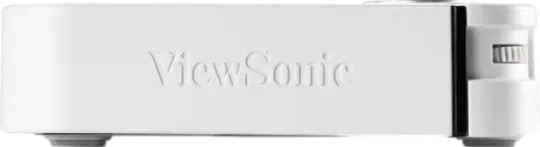
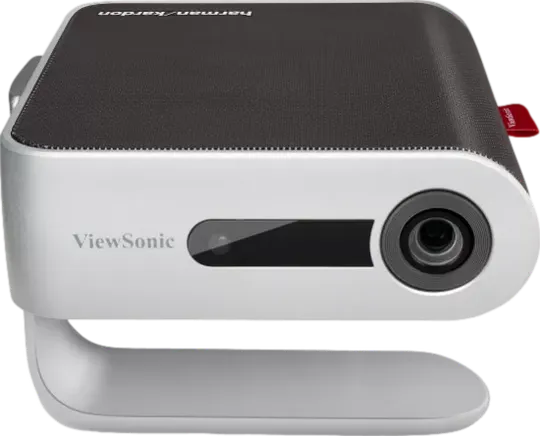
ViewSonic M1 Mini vs ViewSonic M1 Plus-2: which is better?

Add a third product

Winner: ViewSonic M1 Plus-2

Wins 3 of 4 areas

M1 Mini scores more points on the specs both products share, while M1 Plus-2 has the clearly higher overall Comparexo score across all its specs.

Who should buy the M1 Mini?

  • Stronger general info
  • Volume: 33 cm³

Who should buy the M1 Plus-2?

  • Stronger connectivity
  • Stronger features
  • ANSI lumens: 125 lumens

Who leads by area

Area score out of 100: how close each product is to the best value in every spec, weighted by how much buyers care.

M1 MiniM1 Plus-2
  • 100 General info 75
  • 90 Projection quality 94
  • 86 Connectivity 100
  • 94 Features 100
  • Volume
    M1 Mini33 cm³ M1 Plus-2780 cm³
    −747 cm³ vs M1 Plus-2
  • ANSI lumens Important
    M1 Mini50 lumens M1 Plus-2125 lumens
    ×2.5 vs M1 Mini
  • Thickness
    M1 Mini10 mm M1 Plus-2130 mm
    −120 mm vs M1 Plus-2
  • 3D support Important
    M1 MiniYes M1 Plus-2No
  • Bluetooth
    M1 MiniNo M1 Plus-2Yes
  • Wi-Fi connectivity
    M1 MiniNo M1 Plus-2Yes

Best prices

Prices are updated daily and may differ from the shop. We may earn a commission from purchases.

ViewSonic M1 Mini
ViewSonic M1 Plus-2

Overview

Why is it better?
ViewSonic M1 Mini wins in 4 specs
  • Volume
    33 cm³
    vs 780 cm³
  • Thickness
    10 mm
    vs 130 mm
  • 3D support
    Yes
    vs No
  • Operating power consumption
    10 W
    vs 35 W
ViewSonic M1 Plus-2 wins in 7 specs
  • ANSI lumens
    125 lumens
    vs 50 lumens
  • Bluetooth
    Yes
    vs No
  • Wi-Fi connectivity
    Yes
    vs No
  • Remote control
    Yes
    vs No
  • Minimum throw distance
    0.6 m
    vs 0.8 m
  • 3.5mm audio jack
    Yes
    vs No
  • External memory slot
    Yes
    vs No
All specifications side by side
Comparexo score
2.3
Overall score
3.3
Winner
General info
Projection quality
Connectivity
Features

5.5 points
3.2 points
0.9 points
1.0 points
4.7 points
1.8 points
3.5 points
4.0 points

Screen at a glance

What matters most

No differences in this section

General info

Specifications

No differences in this section

Lamp life
30,000 h
30,000 h
Laser lamp
No
No
Release date
1 Nov 2019
Unknown
Operating power consumption
10 W
35 W
Width
110 mm
150 mm
Height
30 mm
40 mm
Thickness
10 mm
130 mm
Weight
300 g
300 g
Warranty period
3 years
Unknown
Volume
33 cm³
780 cm³

Projection quality

Specifications

No differences in this section

ANSI lumens
50 lumens
125 lumens
Output resolution
WVGA
WVGA
Contrast ratio
120,000 :1
120,000 :1
Response time
33 ms
Unknown
Motorized focus
No
No
3D support
Yes
No
Maximum projection size
100"
100"
Motorized zoom
No
No
HDR10+
No
No
Manual focus
Yes
Yes
Minimum throw distance
0.8 m
0.6 m
Dolby Vision
No
No
HDR10
No
No
HLG
No
No

Connectivity

Specifications

No differences in this section

HDMI ports
1
1
AirPlay
No
No
Bluetooth
No
Yes
Wi-Fi connectivity
No
Yes
USB ports
2
2
Chromecast
No
No
VGA connector
No
No
Miracast support
No
No
RJ45 ports
Unknown
0
S/PDIF Out port
No
No

Features

Specifications

No differences in this section

Stereo speakers
No
No
Vertical lens shift
No
No
Horizontal lens shift
No
No
Remote control
No
Yes
Smart TV features
No
No
Built-in speaker
Yes
Yes
3.5mm audio jack
No
Yes
Sleep timer
No
No
Dolby Atmos
No
No
External memory slot
No
Yes
Voice commands
No
No
Audio output power
1 × 2W
2 × 3W

Miscellaneous

Specifications

No differences in this section

Resolution
854 × 480 px
Unknown

Winner: ViewSonic M1 Plus-2

ViewSonic M1 Plus-2 is better in 3 of 4 areas: it leads on the specs buyers care about most, and by a wider margin.

ANSI lumens ×2.5

125 lumens vs 50 lumens

Bluetooth

Yes vs No

Wi-Fi connectivity

Yes vs No

Remote control

Yes vs No

Minimum throw distance −0.2 m

0.6 m vs 0.8 m

3.5mm audio jack

Yes vs No

External memory slot

Yes vs No