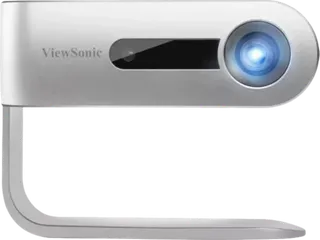
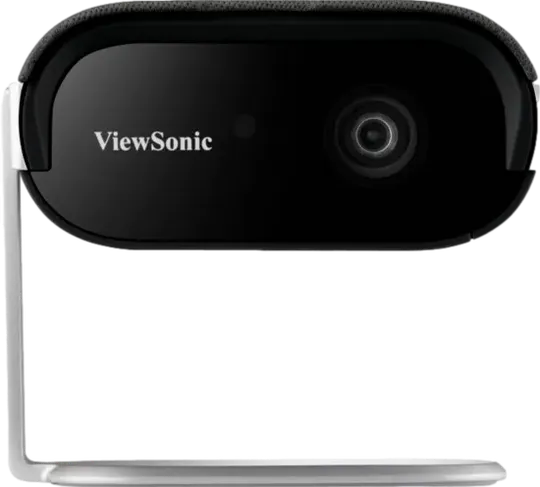
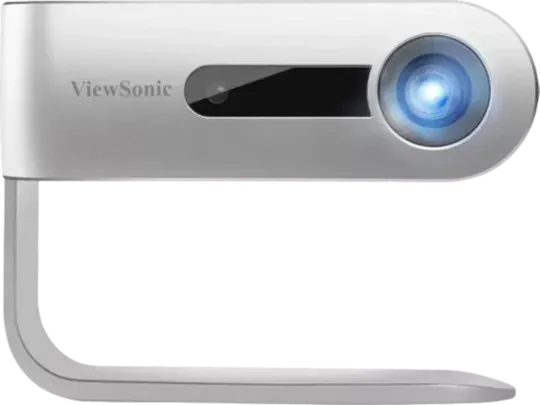
ViewSonic M1 Max vs ViewSonic M1 Plus: which is better?

Add a third product

Winner: ViewSonic M1 Plus

Wins 1 of 3 areas

Who should buy the M1 Max?

  • Stronger features
  • Stronger projection quality
  • Output resolution: 1080p

Who should buy the M1 Plus?

  • Stronger general info
  • 3D support: Yes
  • Lower price

Who leads by area

Area score out of 100: how close each product is to the best value in every spec, weighted by how much buyers care.

M1 MaxM1 Plus
  • 87 General info 100
  • 91 Projection quality 83
  • 99 Features 96
  • Output resolution Important
    M1 Max1080p M1 PlusWVGA
  • Maximum projection size
    M1 Max100" M1 Plus8.3"
    ×12 vs M1 Plus
  • 3D support Important
    M1 MaxNo M1 PlusYes
  • Volume
    M1 Max1591 cm³ M1 Plus780 cm³
    −811 cm³ vs M1 Max
  • Thickness
    M1 Max182 mm M1 Plus130 mm
    −52 mm vs M1 Max
  • Weight
    M1 Max960 g M1 Plus700 g
    −260 g vs M1 Max

Best prices

Prices are updated daily and may differ from the shop. We may earn a commission from purchases.

ViewSonic M1 Maxfrom $841
ViewSonic M1 Plusfrom $200

Overview

Why is it better?
ViewSonic M1 Max wins in 3 specs
  • Output resolution
    1080p
    vs WVGA
  • Maximum projection size
    100"
    vs 8.3"
  • Smart TV features
    Yes
    vs No
ViewSonic M1 Plus wins in 7 specs
  • 3D support
    Yes
    vs No
  • Volume
    780 cm³
    vs 1591 cm³
  • Thickness
    130 mm
    vs 182 mm
  • Weight
    700 g
    vs 960 g
  • Minimum throw distance
    0.64 m
    vs 0.8 m
  • Warranty period
    3 years
    vs 1 years
  • External memory slot
    Yes
    vs No
All specifications side by side
ViewSonic M1 Max
ViewSonic M1 Max
ViewSonic
from $841
ViewSonic M1 Plus
ViewSonic M1 Plus
ViewSonic
from $200
Winner
Comparexo score
5.0
Overall score
6.1
Winner
General info
Projection quality
Connectivity
Features
6.0 points
1.5 points
6.0 points
5.0 points
7.0 points
3.1 points
6.0 points
6.0 points

Screen at a glance

What matters most

No differences in this section

General info

Specifications

No differences in this section

Lamp life
Unknown
30,000 h
Audible noise
26 dB
26 dB
Laser lamp
No
No
Audible noise (eco)
25 dB
25 dB
Release date
2 Apr 2025
1 Jun 2020
Operating power consumption
Unknown
55 W
Width
141 mm
150 mm
Height
62 mm
40 mm
Thickness
182 mm
130 mm
Weight
960 g
700 g
Dedicated smartphone app
Yes
Unknown
Warranty period
1 years
3 years
Volume
1591 cm³
780 cm³

Projection quality

Specifications

No differences in this section

ANSI lumens
Unknown
150 lumens
Output resolution
1080p
WVGA
Contrast ratio
120,000 :1
120,000 :1
Response time
Unknown
33 ms
Motorized focus
Unknown
No
3D support
No
Yes
Maximum projection size
100"
8.3"
Motorized zoom
No
No
HDR10+
No
No
Manual focus
Unknown
Yes
Minimum throw distance
0.8 m
0.64 m
Dolby Vision
No
No
HDR10
No
No
HLG
No
Unknown

Connectivity

Specifications

No differences in this section

HDMI ports
1
1
AirPlay
Yes
Yes
Bluetooth
Yes
Yes
Wi-Fi connectivity
Yes
Yes
USB ports
2
2
Chromecast
Yes
Yes
VGA connector
No
No
Miracast support
Yes
Yes
RJ45 ports
0
Unknown
S/PDIF Out port
No
No

Features

Specifications

No differences in this section

Stereo speakers
Yes
Yes
Vertical lens shift
No
No
Horizontal lens shift
No
No
Remote control
Yes
Yes
Smart TV features
Yes
No
Built-in speaker
Yes
Yes
3.5mm audio jack
Yes
Yes
Sleep timer
Unknown
Yes
Dolby Atmos
No
No
External memory slot
No
Yes
Voice commands
No
No
Audio output power
2 × 3W
2 × 3W

Miscellaneous

Specifications

No differences in this section

Hdmi version r
Unknown
HDMI 1.4
Resolution
Unknown
854 × 480 px

Winner: ViewSonic M1 Plus

6.1

ViewSonic M1 Plus is better in 1 of 3 areas: it leads on the specs buyers care about most, and by a wider margin.

3D support

Yes vs No

Volume −811 cm³

780 cm³ vs 1591 cm³

Thickness −52 mm

130 mm vs 182 mm

Weight −260 g

700 g vs 960 g

Minimum throw distance −0.16 m

0.64 m vs 0.8 m

Warranty period ×3

3 years vs 1 years

External memory slot

Yes vs No