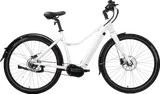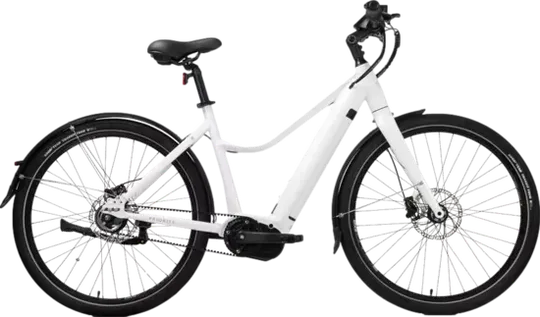
Priority Current E-Bike vs Engwe Engine Pro 3.0 Boost: which is better?

Add a third product

Winner: Engwe Engine Pro 3.0 Boost

Wins 2 of 4 areas

Who should buy the Current E-Bike?

  • Stronger design
  • Weight: 24,000 g

Who should buy the Pro 3.0 Boost?

  • Stronger features
  • Stronger battery
  • Maximum distance per charge: 130 km

Who leads by area

Area score out of 100: how close each product is to the best value in every spec, weighted by how much buyers care.

Current E-BikePro 3.0 Boost
  • 87 Design 84
  • 72 Battery 92
  • 83 Performance 85
  • 88 Features 100
  • Maximum distance per charge Important
    Current E-Bike80 km Pro 3.0 Boost130 km
    ×1.6 vs Current E-Bike
  • Weight Important
    Current E-Bike24,000 g Pro 3.0 Boost34,700 g
    −10,700 g vs Pro 3.0 Boost
  • Motor power
    Current E-Bike500 W Pro 3.0 Boost250 W
    ×2 vs Pro 3.0 Boost
  • Dedicated smartphone app Important
    Current E-BikeNo Pro 3.0 BoostYes
  • Maximum torque Important
    Current E-Bike140 Nm Pro 3.0 Boost90 Nm
    ×1.6 vs Pro 3.0 Boost
  • Front suspension
    Current E-BikeNo Pro 3.0 BoostYes

Best prices

Prices are updated daily and may differ from the shop. We may earn a commission from purchases.

Priority Current E-Bike
Engwe Engine Pro 3.0 Boost

Overview

Why is it better?
Priority Current E-Bike wins in 6 specs
  • Weight
    24,000 g
    vs 34,700 g
  • Motor power
    500 W
    vs 250 W
  • Maximum torque
    140 Nm
    vs 90 Nm
  • In-frame battery
    Yes
    vs No
  • Charge time
    3 hours
    vs 4 hours
  • Top speed
    45 km/h
    vs 25 km/h
Engwe Engine Pro 3.0 Boost wins in 10 specs
  • Maximum distance per charge
    130 km
    vs 80 km
  • Dedicated smartphone app
    Yes
    vs No
  • Front suspension
    Yes
    vs No
  • Removable battery
    Yes
    vs No
  • Battery size
    720 Wh
    vs 500 Wh
  • Turbo mode
    Yes
    vs No
  • Rear suspension
    Yes
    vs No
  • Eco mode
    Yes
    vs No
All specifications side by side
Comparexo score
4.8
Overall score
8.3
Winner
Design
Battery
Performance
Features

3.9 points
2.7 points
5.5 points
4.3 points
6.7 points
8.1 points
6.9 points
5.4 points

Performance

What matters most

No differences in this section

Design

Specifications

No differences in this section

Frame material
Aluminum
Aluminum
Weight
24,000 g
34,700 g
Front suspension
No
Yes
Rear suspension
No
Yes
In-frame battery
Yes
No
Foldable
No
Yes
Internal cable routing
Yes
Yes
Designed for kids
Unknown
No

Battery

Specifications

No differences in this section

Battery size
500 Wh
720 Wh
Charge time
3 hours
4 hours
Regenerative braking
No
Yes
Removable battery
No
Yes

Performance

Specifications

No differences in this section

Maximum distance per charge
80 km
130 km
Braking system
Hydraulic disc brakes
Maximum torque
140 Nm
90 Nm
Turbo mode
No
Yes
Eco mode
No
Yes
Motor power
500 W
250 W
Multi-gear bike
Yes
Yes
Number of gears
Unknown
7
Single-gear bike
No
No
Drive motor type
Mid-drive motor
Mid-drive motor
Top speed
45 km/h
25 km/h

Features

Specifications

No differences in this section

Release date
30 Dec 2020
24 Sep 2025
Pedal sensor type
Torque sensor
Torque sensor
Anti-theft
No
No
Built-in lock
No
No
Integrated display
Yes
Yes
Dedicated smartphone app
No
Yes
GPS
No
No
Front light(s)
Yes
Yes
Rear light(s)
Yes
Yes

Winner: Engwe Engine Pro 3.0 Boost

Engwe Engine Pro 3.0 Boost is better in 2 of 4 areas: it leads on the specs buyers care about most, and by a wider margin.

Maximum distance per charge ×1.6

130 km vs 80 km

Dedicated smartphone app

Yes vs No

Front suspension

Yes vs No

Removable battery

Yes vs No

Battery size +220 Wh

720 Wh vs 500 Wh

Turbo mode

Yes vs No

Rear suspension

Yes vs No

Eco mode

Yes vs No