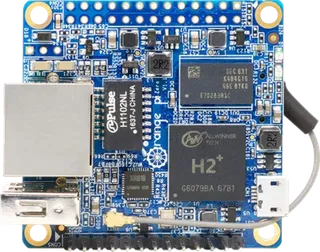
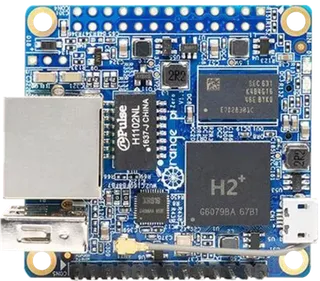
Pine A64-LTS vs Raspberry Pi 5: which is better?

Add a third product

Winner: Raspberry Pi 5

Wins 2 of 2 areas

Who should buy the A64-LTS?

No clear advantages in this comparison.

Who should buy the 5?

  • Stronger performance
  • Stronger connectivity
  • Total clock speed: 4 × 2.4 GHz

Who leads by area

Area score out of 100: how close each product is to the best value in every spec, weighted by how much buyers care.

A64-LTS5
  • 69 Performance 100
  • 76 Connectivity 100
  • Total clock speed Important
    A64-LTS4 × 1.152 GHz 54 × 2.4 GHz
    ×2.1 vs A64-LTS
  • RAM
    A64-LTS2 GB 58 GB
    ×4 vs A64-LTS
  • USB ports
    A64-LTS2 54
    ×2 vs A64-LTS
  • HDMI output
    A64-LTSNo 5Yes
  • GPU clock speed
    A64-LTS500 MHz 5800 MHz
    ×1.6 vs A64-LTS
  • Wi-Fi connectivity
    A64-LTSNo 5Yes

Best prices

Prices are updated daily and may differ from the shop. We may earn a commission from purchases.

Pine A64-LTS
Raspberry Pi 5from $119

Overview

Why is it better?
Pine A64-LTS wins in 0 specs

No clear advantages in this comparison.

Raspberry Pi 5 wins in 9 specs
  • Total clock speed
    4 × 2.4 GHz
    vs 4 × 1.152 GHz
  • RAM
    8 GB
    vs 2 GB
  • USB ports
    4
    vs 2
  • HDMI output
    Yes
    vs No
  • GPU clock speed
    800 MHz
    vs 500 MHz
  • Wi-Fi connectivity
    Yes
    vs No
  • USB Type-C
    Yes
    vs No
  • Bluetooth
    Yes
    vs No
All specifications side by side
Raspberry Pi 5
Raspberry Pi 5
Raspberry Pi
from $119
Winner
Comparexo score
1.0
Overall score
6.6
Winner
General info
Performance
Connectivity
Sensors
2.6 points
3.1 points
1.5 points
0.0 points
3.2 points
7.0 points
7.2 points
0.0 points

Key specs

What matters most

No differences in this section

RAM
2 GB
8 GB
Internal storage
0.13 GB
Unknown

Performance and benchmarks

Specifications

No differences in this section

Big.LITTLE technology
No
Unknown
RAM
2 GB
8 GB
RAM speed
Unknown
4267 MHz
External memory slot
Yes
Yes
Maximum amount of external memory supported
256 GB
Unknown
GPU clock speed
500 MHz
800 MHz
Internal storage
0.13 GB
Unknown
64-bit support
Yes
Yes
Thermal Design Power (TDP)
Unknown
12 W
Integrated graphics
Yes
Yes
Maximum memory amount
Unknown
8 GB
ECC memory support
No
No
Memory bandwidth
Unknown
13.7 GB/s
OpenGL ES version
2
3.1
OpenVG version
1.1
Unknown
Semiconductor size
Unknown
16 nm
Turbo clock speed
Unknown
2.4 GHz
Total clock speed
4 × 1.152 GHz
4 × 2.4 GHz

General info

Specifications

No differences in this section

Release date
1 Jan 2018
Unknown
Weight
46 g
46 g
Width
133 mm
Unknown
Height
80 mm
Unknown
Thickness
19 mm
Unknown
Volume
202.2 cm³
Unknown

Connectivity

Specifications

No differences in this section

USB ports
2
4
USB Type-C
No
Yes
HDMI output
No
Yes
Wi-Fi connectivity
No
Yes
Wi-Fi version
Unknown
Wi-Fi 5 (802.11ac), Wi-Fi 4 (802.11n)
Bluetooth version
Unknown
5
Bluetooth
No
Yes
Ethernet port
Yes
Yes
HDMI ports
Unknown
2
AUX input
No
Unknown
Microphone input
No
No
USB 2.0 ports
Unknown
2
USB 3.0 ports
Unknown
2
RJ45 ports
1
1
S/PDIF Out port
No
No
Has a VGA connector
No
No

Sensors

Specifications

No differences in this section

Infrared sensor
No
No
Accelerometer
No
No
Compass
No
No
Gyroscope
No
No

Winner: Raspberry Pi 5

6.6

Raspberry Pi 5 is better in 2 of 2 areas: it leads on the specs buyers care about most, and by a wider margin.

Total clock speed ×2.1

4 × 2.4 GHz vs 4 × 1.152 GHz

RAM ×4

8 GB vs 2 GB

USB ports ×2

4 vs 2

HDMI output

Yes vs No

GPU clock speed ×1.6

800 MHz vs 500 MHz

Wi-Fi connectivity

Yes vs No

USB Type-C

Yes vs No

Bluetooth

Yes vs No