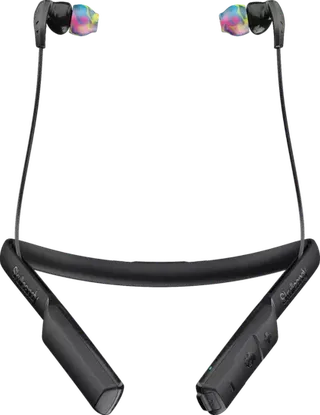
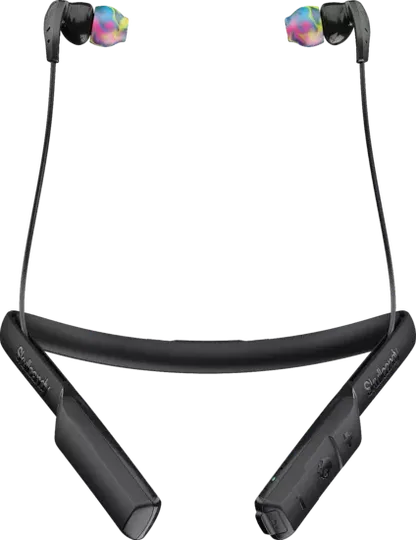
Marshall Mode II vs Skullcandy Method Wireless: which is better?

Add a third product

Winner: Skullcandy Method Wireless

Wins 2 of 5 areas

Specs of Method Wireless are still being filled in (no data yet: 6 of 36). A spec without data earns no points, so its overall Comparexo score is understated.

Who should buy the Mode II?

  • Stronger connectivity
  • Stronger features
  • Sound pressure level: 100.5 dB/mW

Who should buy the Method Wireless?

  • Stronger power
  • Stronger sound quality
  • Charge time: 0.75 hours

Who leads by area

Area score out of 100: how close each product is to the best value in every spec, weighted by how much buyers care.

Mode IIMethod Wireless
  • 97 Design 93
  • 87 Sound quality 94
  • 69 Power 100
  • 100 Connectivity 82
  • 100 Features 86
  • Charge time
    Mode II2 hours Method Wireless0.75 hours
    −1.25 hours vs Mode II
  • Battery life Important
    Mode II5 hours Method Wireless9 hours
    ×1.8 vs Mode II
  • Driver size Important
    Mode II6 mm Method Wireless10 mm
    ×1.7 vs Mode II
  • Neodymium magnet Important
    Mode IINo Method WirelessYes
  • Sound pressure level
    Mode II100.5 dB/mW Method Wireless85 dB/mW
    +15.5 dB/mW vs Method Wireless
  • Bluetooth version
    Mode II5.1 Method Wireless4.1
    +1 vs Method Wireless

Best prices

Prices are updated daily and may differ from the shop. We may earn a commission from purchases.

Marshall Mode II
Skullcandy Method Wireless

Overview

Why is it better?
Marshall Mode II wins in 4 specs
  • Sound pressure level
    100.5 dB/mW
    vs 85 dB/mW
  • Bluetooth version
    5.1
    vs 4.1
  • True wireless
    Yes
    vs No
  • Travel bag included
    Yes
    vs No
Skullcandy Method Wireless wins in 5 specs
  • Charge time
    0.75 hours
    vs 2 hours
  • Battery life
    9 hours
    vs 5 hours
  • Driver size
    10 mm
    vs 6 mm
  • Neodymium magnet
    Yes
    vs No
  • Neckband earbuds
    Yes
    vs No
All specifications side by side
Comparexo score
3.1
Overall score
2.2
Winner
Design
Sound quality
Power
Connectivity
Features

Microphone
4.9 points
3.3 points
5.6 points
3.1 points
4.3 points
—
5.9 points
4.3 points
6.3 points
1.7 points
1.7 points
0.4 points

Sound and battery

What matters most

No differences in this section

Weight
Unknown
63 g
Battery life
5 hours
9 hours

Design

Specifications

No differences in this section

Fit
In-ear
In-ear
Water resistance
Sweat resistant
Sweat resistant
Weight
Unknown
63 g
True wireless
Yes
No
Neckband earbuds
No
Yes
Wingtips included
No
Unknown
Stereo speakers
Yes
Yes

Sound quality

Specifications

No differences in this section

Active noise cancellation (ANC)
No
Unknown
Passive noise reduction
Yes
Yes
Driver size
6 mm
10 mm
Lowest frequency
20 Hz
20 Hz
Highest frequency
20,000 Hz
20,000 Hz
Impedance
16 Ohms
16 Ohms
Sound pressure level
100.5 dB/mW
85 dB/mW
Neodymium magnet
No
Yes

Power

Specifications

No differences in this section

Battery life
5 hours
9 hours
Battery life of charging case
20 hours
Unknown
Charge time
2 hours
0.75 hours
Wireless charging
No
Unknown
Battery level indicator
Yes
Yes
Rechargeable battery
Yes
Yes

Connectivity

Specifications

No differences in this section

USB Type-C
Yes
Unknown
Bluetooth version
5.1
4.1
AptX
No
Unknown
Maximum Bluetooth range
10 m
10 m
Bluetooth pairing using NFC
No
Unknown
Wireless
Yes
Yes

Features

Specifications

No differences in this section

Release date
18 Mar 2021
1 Nov 2016
Mute function
Yes
Unknown
Headset capability
Yes
Yes
Control panel on device
Yes
Unknown
Warranty period
Unknown
1 years
Voice prompts
Yes
Unknown
Travel bag included
Yes
No
In-line control panel
Unknown
Yes

Microphone

Specifications

No differences in this section

Number of microphones
Unknown
1

Winner: Skullcandy Method Wireless

Skullcandy Method Wireless is better in 2 of 5 areas: it leads on the specs buyers care about most, and by a wider margin.

Charge time −1.25 hours

0.75 hours vs 2 hours

Battery life ×1.8

9 hours vs 5 hours

Driver size ×1.7

10 mm vs 6 mm

Neodymium magnet

Yes vs No

Neckband earbuds

Yes vs No