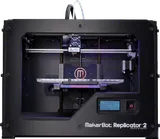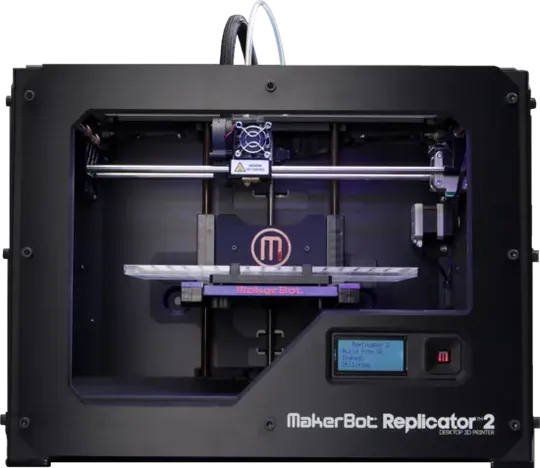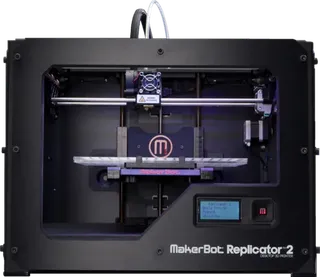
MakerBot Replicator 2 vs Prusa XL: which is better?

Add a third product

Winner: Prusa XL

Wins 2 of 4 areas

Comparison points count only the specs known for both products, and Replicator 2 has no data yet for 29 of 42. Across all specs, XL has the higher overall Comparexo score.

Who should buy the Replicator 2?

  • Stronger general info
  • Stronger connectivity
  • Height: 430 mm

Who should buy the XL?

  • Stronger materials
  • Stronger print sizes
  • Max creation size: 360 × 360 × 360mm

Who leads by area

Area score out of 100: how close each product is to the best value in every spec, weighted by how much buyers care.

Replicator 2XL
  • 100 General info 55
  • 60 Materials 100
  • 26 Print sizes 100
  • 100 Connectivity 64
  • Max creation size Important
    Replicator 2153 × 285 × 155mm XL360 × 360 × 360mm
    ×6.9 vs Replicator 2
  • Height
    Replicator 2430 mm XL900 mm
    −470 mm vs XL
  • Weight
    Replicator 211,500 g XL27,900 g
    −16,400 g vs XL
  • Number of colors per print
    Replicator 21 XL5
    ×5 vs Replicator 2
  • Layer thickness
    Replicator 2100 µm XL50 µm
    −50 µm vs Replicator 2
  • External memory slot
    Replicator 2Yes XLNo

Best prices

Prices are updated daily and may differ from the shop. We may earn a commission from purchases.

MakerBot Replicator 2
Prusa XLfrom $450
Show 1 more offer

Overview

Why is it better?
MakerBot Replicator 2 wins in 5 specs
  • Height
    430 mm
    vs 900 mm
  • Weight
    11,500 g
    vs 27,900 g
  • External memory slot
    Yes
    vs No
  • Thickness
    550 mm
    vs 720 mm
  • Width
    590 mm
    vs 700 mm
Prusa XL wins in 3 specs
  • Max creation size
    360 × 360 × 360mm
    vs 153 × 285 × 155mm
  • Number of colors per print
    5
    vs 1
  • Layer thickness
    50 µm
    vs 100 µm
All specifications side by side
Comparexo score
2.1
Overall score
9.8
Winner
General info
Components
Materials
Print sizes
Connectivity

Features
4.4 points
2.6 points
1.4 points
1.7 points
2.4 points
—
6.4 points
7.5 points
8.6 points
8.7 points
6.2 points
7.1 points

Key specs

What matters most

No differences in this section

Weight
11,500 g
27,900 g

General info

Specifications

No differences in this section

Weight
11,500 g
27,900 g
Fused deposition modeling (FDM) technology
Unknown
Yes
Stereolithography (SLA) technology
Unknown
No
Selective laser sintering (SLS) technology
Unknown
No
Height
430 mm
900 mm
Width
590 mm
700 mm
Thickness
550 mm
720 mm
Maximum operating temperature
Unknown
38 °C
Lowest potential operating temperature
Unknown
18 °C
Warranty period
Unknown
2 years
Volume
Unknown
453,600 cm³

Components

Specifications

No differences in this section

Auto-generated support structures
Unknown
Yes
Heated build platform
Unknown
Yes
1.75mm filament diameter
Yes
Yes
Nozzle size
0.4 mm
0.4 mm
3D print speed
Unknown
400 mm/s
Number of extruder heads
1
1

Materials

Specifications

No differences in this section

PET printing
Unknown
Yes
Printing in PLA
Yes
Yes
Printing in HIPS
Unknown
Yes
Printing in ABS plastic
Unknown
Yes
Printing in PVA
Unknown
Yes
Printing in wood
Unknown
Yes
Number of colors per print
1
5

Print sizes

Specifications

No differences in this section

Layer thickness
100 µm
50 µm
X-axis resolution
Unknown
50 µm
Y-axis resolution
Unknown
50 µm
Z-axis resolution
Unknown
6 µm
Max creation size
153 × 285 × 155mm
360 × 360 × 360mm

Connectivity

Specifications

No differences in this section

App control
Unknown
Yes
External memory slot
Yes
No
USB ports
1
1
RJ45 ports
Unknown
1
Wi-Fi connectivity
Unknown
Yes
Wi-Fi version
Unknown
Wi-Fi 4 (802.11n)

Features

Specifications

No differences in this section

Integrated display
Unknown
Yes
Screen size
Unknown
3.5"
Touch screen
Unknown
Yes
Bed levelling
Unknown
Automatic bed leveling
Power loss recovery
Unknown
Yes
Pre-assembled
Unknown
No
Operating power consumption
Unknown
240 W

Winner: Prusa XL

9.8

Prusa XL is better in 2 of 4 areas: it leads on the specs buyers care about most, and by a wider margin.

Max creation size ×6.9

360 × 360 × 360mm vs 153 × 285 × 155mm

Number of colors per print ×5

5 vs 1

Layer thickness −50 µm

50 µm vs 100 µm