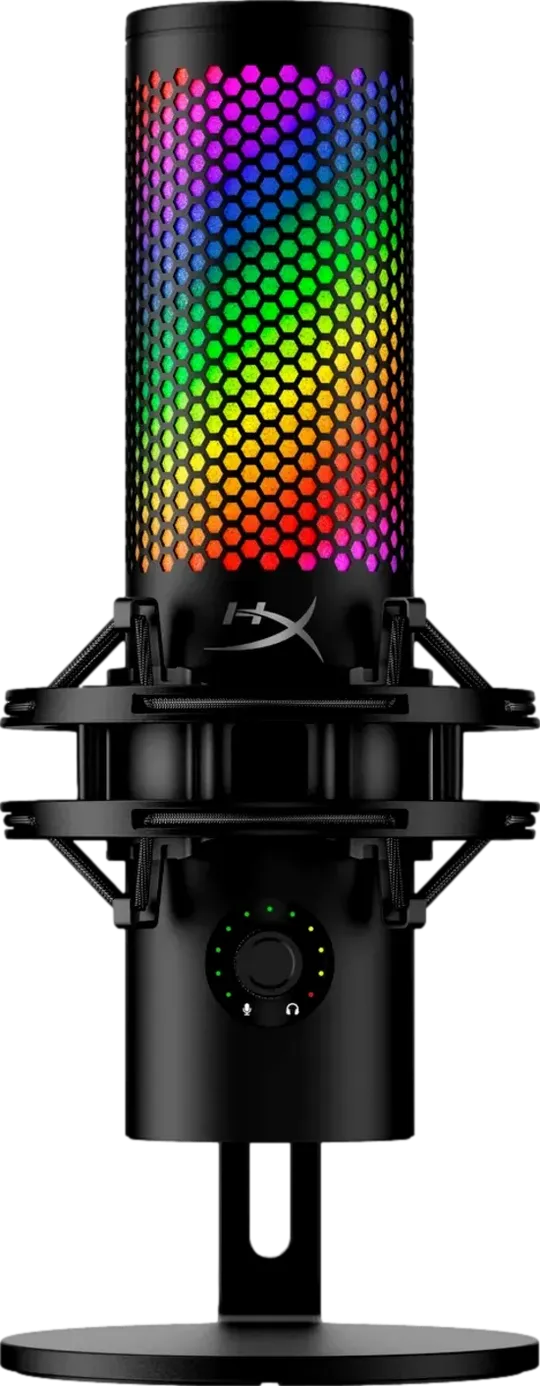
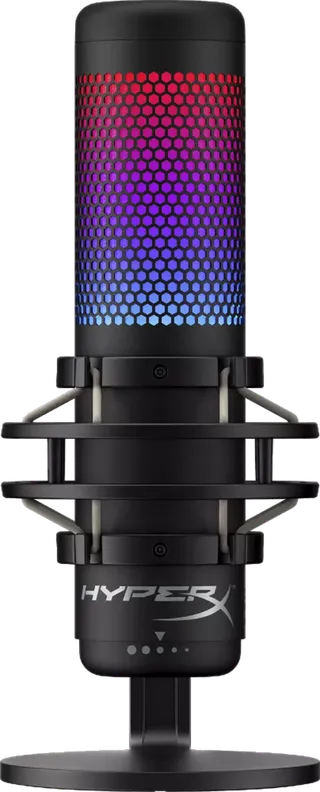
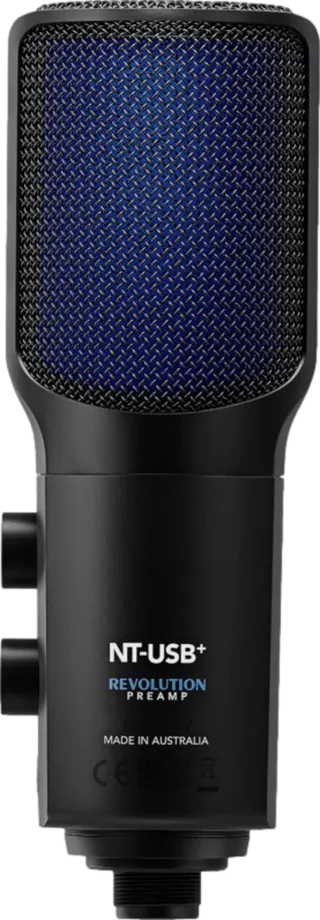
HyperX QuadCast 2S vs NZXT Capsule: which is better?

Add a third product

Winner: HyperX QuadCast 2S

Wins 2 of 4 areas

Capsule scores more points on the specs both products share, while QuadCast 2S has the clearly higher overall Comparexo score across all its specs.

Who should buy the QuadCast 2S?

  • Stronger sound quality
  • Stronger features
  • Omni pattern: Yes

Who should buy the Capsule?

  • Stronger headphone output
  • Stronger design
  • Volume: 663 cm³

Who leads by area

Area score out of 100: how close each product is to the best value in every spec, weighted by how much buyers care.

QuadCast 2SCapsule
  • 100 Sound quality 80
  • 100 Features 78
  • 66 Headphone output 100
  • 65 Design 97
  • Volume
    QuadCast 2S3485.3 cm³ Capsule663 cm³
    −2822.3 cm³ vs QuadCast 2S
  • Width
    QuadCast 2S134 mm Capsule60 mm
    −74 mm vs QuadCast 2S
  • Impedance
    QuadCast 2S32 Ohms Capsule16 Ohms
    −16 Ohms vs QuadCast 2S
  • Height
    QuadCast 2S255 mm Capsule170 mm
    −85 mm vs QuadCast 2S
  • Omni pattern
    QuadCast 2SYes CapsuleNo
  • Thickness
    QuadCast 2S102 mm Capsule65 mm
    −37 mm vs QuadCast 2S

Best prices

Prices are updated daily and may differ from the shop. We may earn a commission from purchases.

HyperX QuadCast 2Sfrom $100
Show 1 more offer
NZXT Capsulefrom $47.99

Overview

Why is it better?
HyperX QuadCast 2S wins in 8 specs
  • Omni pattern
    Yes
    vs No
  • Bidirectional pattern
    Yes
    vs No
  • Audio interface frequency rate
    192 kHz
    vs 96 kHz
  • Shock mount
    Yes
    vs No
  • Number of polar patterns
    4
    vs 1
  • Compatible with Android
    Yes
    vs No
  • Audio interface bit rate
    32-bit
    vs 24-bit
  • Compatible with Mac OS X
    Yes
    vs No
NZXT Capsule wins in 5 specs
  • Volume
    663 cm³
    vs 3485.3 cm³
  • Width
    60 mm
    vs 134 mm
  • Impedance
    16 Ohms
    vs 32 Ohms
  • Height
    170 mm
    vs 255 mm
  • Thickness
    65 mm
    vs 102 mm
All specifications side by side
HyperX QuadCast 2S
HyperX QuadCast 2S
HyperX
from $100
Winner
NZXT Capsule
NZXT Capsule
NZXT
from $47.99
Comparexo score
9.7
Winner
6.2
Overall score
Sound quality
Features
Headphone output
Design

8.8 points
8.5 points
9.3 points
6.8 points
6.6 points
3.3 points
5.2 points
6.6 points

Sound and battery

What matters most

No differences in this section

Weight
Unknown
883 g

Sound quality

Specifications

No differences in this section

Connection
USB
USB
Lowest mic frequency
20 Hz
20 Hz
Audio interface frequency rate
192 kHz
96 kHz
Sound pressure level
122 dB
Unknown
Highest mic frequency
20,000 Hz
20,000 Hz
Audio interface bit rate
32-bit
24-bit

Features

Specifications

No differences in this section

Release date
24 Oct 2024
8 Sep 2021
Number of polar patterns
4
1
Cardioid pattern
Yes
Yes
Mute function
Yes
Yes
Omni pattern
Yes
No
Compatible with Android
Yes
No
Compatible with iOS
No
No
Compatible with Mac OS X
Yes
No
Hyper-cardioid pattern
No
No
Flat DSP mode
No
No
Bidirectional pattern
Yes
No
Is compatible with Windows
Yes
Yes

Headphone output

Specifications

No differences in this section

3.5mm audio jack
Yes
Yes
Lowest frequency
20 Hz
Unknown
Highest frequency
20,000 Hz
Unknown
Signal-to-Noise ratio (DAC)
90 dB
Unknown
Impedance
32 Ohms
16 Ohms
Has a connector for a 6.35 mm audio jack
No
Unknown

Design

Specifications

No differences in this section

Shock mount
Yes
No
Pop filter
Yes
Yes
Control panel on device
Yes
Yes
LED sound level indicator
No
No
Cable length
3 m
Unknown
RGB lighting
Yes
Yes
Integrated touchpad
No
No
Weight
Unknown
883 g
Height
255 mm
170 mm
Thickness
102 mm
65 mm
Width
134 mm
60 mm
Volume
3485.3 cm³
663 cm³

Winner: HyperX QuadCast 2S

HyperX QuadCast 2S is better in 2 of 4 areas: it leads on the specs buyers care about most, and by a wider margin.

Omni pattern

Yes vs No

Bidirectional pattern

Yes vs No

Audio interface frequency rate ×2

192 kHz vs 96 kHz

Shock mount

Yes vs No

Number of polar patterns ×4

4 vs 1

Compatible with Android

Yes vs No

Audio interface bit rate +8-bit

32-bit vs 24-bit

Compatible with Mac OS X

Yes vs No