HyperX Cloud vs SteelSeries Tusq: which is better?

Add a third product

Winner: HyperX Cloud

Wins 3 of 5 areas

Who should buy the Cloud?

  • Stronger features
  • Stronger microphone
  • Highest frequency: 25,000 Hz

Who should buy the Tusq?

  • Stronger connectivity
  • Compatibility: Xbox, Nintendo Switch, PC, PlayStation

Who leads by area

Area score out of 100: how close each product is to the best value in every spec, weighted by how much buyers care.

CloudTusq
  • 84 Design 81
  • 97 Sound quality 82
  • 97 Microphone 74
  • 52 Connectivity 100
  • 100 Features 93
  • Compatibility
    CloudPlayStation TusqXbox, Nintendo Switch, PC, PlayStation
  • Highest frequency Important
    Cloud25,000 Hz Tusq20,000 Hz
    +5000 Hz vs Tusq
  • Stereo speakers Important
    CloudYes TusqNo
  • Mute function Important
    CloudYes TusqNo
  • Mic sensitivity
    Cloud-39 dBV/Pa Tusq-44 dBV/Pa
    +5 dBV/Pa vs Tusq
  • Fit Important
    CloudOver-ear TusqIn-ear

Best prices

Prices are updated daily and may differ from the shop. We may earn a commission from purchases.

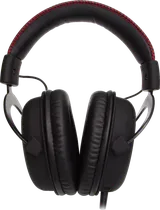
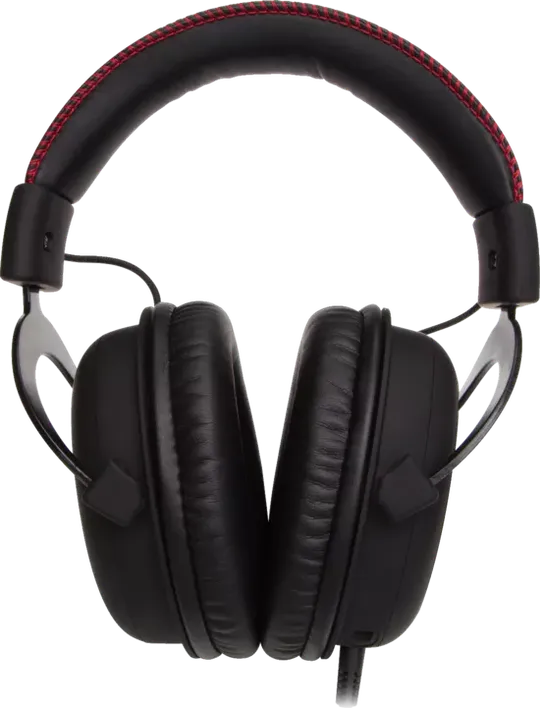
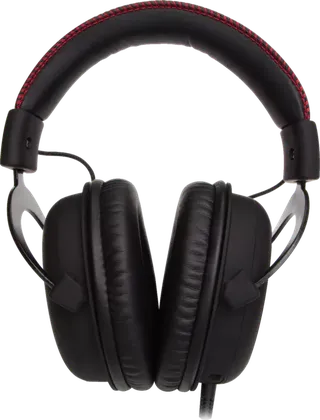
HyperX Cloud
SteelSeries Tusq

Overview

Why is it better?
HyperX Cloud wins in 8 specs
  • Highest frequency
    25,000 Hz
    vs 20,000 Hz
  • Stereo speakers
    Yes
    vs No
  • Mute function
    Yes
    vs No
  • Mic sensitivity
    -39 dBV/Pa
    vs -44 dBV/Pa
  • Lowest frequency
    15 Hz
    vs 20 Hz
  • Highest mic frequency
    12,000 Hz
    vs 10,000 Hz
  • In-line control panel
    Yes
    vs No
  • Travel bag included
    Yes
    vs No
SteelSeries Tusq wins in 5 specs
  • Compatibility
    Xbox, Nintendo Switch, PC, PlayStation
    vs PlayStation
  • Fit
    In-ear
    vs Over-ear
  • Number of microphones
    2
    vs 1
  • Sound pressure level
    102 dB/mW
    vs 98 dB/mW
  • Cable length
    1.2 m
    vs 1 m
All specifications side by side
Comparexo score
5.0
Winner
2.8
Overall score
Design
Sound quality
Microphone
Connectivity
Features

3.9 points
4.2 points
7.1 points
0.0 points
8.0 points
2.8 points
4.1 points
4.0 points
1.2 points
2.0 points

Sound and battery

What matters most

No differences in this section

Weight
350 g
Unknown

Design

Specifications

No differences in this section

Fit
Over-ear
In-ear
Detachable cable
Unknown
No
Weight
350 g
Unknown
Cable length
1 m
1.2 m
RGB lighting
Unknown
No
Foldable
Unknown
No
Open-back design
Unknown
No
Stereo speakers
Yes
No

Sound quality

Specifications

No differences in this section

Lowest frequency
15 Hz
20 Hz
Highest frequency
25,000 Hz
20,000 Hz
Active noise cancellation (ANC)
Unknown
No
Spatial audio
No
Unknown
Driver size
53 mm
Unknown
Sound pressure level
98 dB/mW
102 dB/mW
Impedance
60 Ohms
Unknown
Neodymium magnet
Unknown
No
Passive noise reduction
Yes
Yes
Noise cancelling type
Passive isolation only
Unknown

Microphone

Specifications

No differences in this section

Noise-canceling microphone
Unknown
No
Lowest mic frequency
100 Hz
100 Hz
Highest mic frequency
12,000 Hz
10,000 Hz
Removable microphone
Yes
Yes
Mute function
Yes
No
Mic sensitivity
-39 dBV/Pa
-44 dBV/Pa
Number of microphones
1
2
Microphone pickup pattern
Cardioid (unidirectional)
Unknown

Connectivity

Specifications

No differences in this section

Connectivity
3.5mm
3.5mm
Compatibility
PlayStation
Xbox, Nintendo Switch, PC, PlayStation
Wireless
Unknown
No
USB Type-C
Unknown
No
Includes a 2.4 GHz wireless dongle
No
Unknown
Has LDHC
Unknown
No

Features

Specifications

No differences in this section

Control panel on device
Unknown
No
Headset capability
Yes
Yes
Vibration function
Unknown
No
In-line control panel
Yes
No
Warranty period
2 years
Unknown
Travel bag included
Yes
No

Winner: HyperX Cloud

HyperX Cloud is better in 3 of 5 areas: it leads on the specs buyers care about most, and by a wider margin.

Highest frequency +5000 Hz

25,000 Hz vs 20,000 Hz

Stereo speakers

Yes vs No

Mute function

Yes vs No

Mic sensitivity +5 dBV/Pa

-39 dBV/Pa vs -44 dBV/Pa

Lowest frequency −5 Hz

15 Hz vs 20 Hz

Highest mic frequency +2000 Hz

12,000 Hz vs 10,000 Hz

In-line control panel

Yes vs No

Travel bag included

Yes vs No