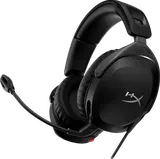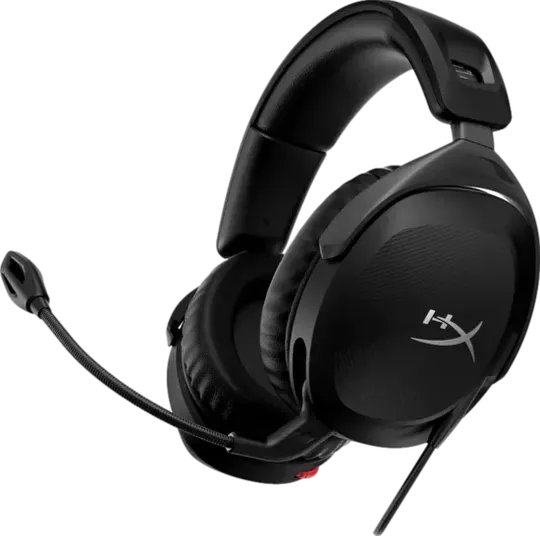
HyperX Cloud Stinger 2 vs MSI DS502: which is better?

Add a third product

Winner: HyperX Cloud Stinger 2

Wins 3 of 5 areas

Who should buy the Stinger 2?

  • Stronger design
  • Stronger sound quality
  • Lowest frequency: 10 Hz

Who should buy the DS502?

  • Stronger connectivity
  • Stronger microphone
  • Compatibility: Xbox, Nintendo Switch, PC, PlayStation

Who leads by area

Area score out of 100: how close each product is to the best value in every spec, weighted by how much buyers care.

Stinger 2DS502
  • 100 Design 92
  • 99 Sound quality 85
  • 85 Microphone 93
  • 73 Connectivity 100
  • 97 Features 86
  • Compatibility
    Stinger 2PlayStation DS502Xbox, Nintendo Switch, PC, PlayStation
  • Lowest mic frequency
    Stinger 2100 Hz DS50210 Hz
    −90 Hz vs Stinger 2
  • Lowest frequency Important
    Stinger 210 Hz DS50220 Hz
    −10 Hz vs DS502
  • Highest frequency Important
    Stinger 228,000 Hz DS50220,000 Hz
    +8000 Hz vs DS502
  • Driver size Important
    Stinger 250 mm DS50240 mm
    +10 mm vs DS502
  • Highest mic frequency
    Stinger 215,600 Hz DS50210,000 Hz
    ×1.6 vs DS502

Best prices

Prices are updated daily and may differ from the shop. We may earn a commission from purchases.

HyperX Cloud Stinger 2from $39.99

Overview

Why is it better?
HyperX Cloud Stinger 2 wins in 6 specs
  • Lowest frequency
    10 Hz
    vs 20 Hz
  • Highest frequency
    28,000 Hz
    vs 20,000 Hz
  • Driver size
    50 mm
    vs 40 mm
  • Highest mic frequency
    15,600 Hz
    vs 10,000 Hz
  • Weight
    300 g
    vs 405 g
  • Control panel on device
    Yes
    vs No
MSI DS502 wins in 5 specs
  • Compatibility
    Xbox, Nintendo Switch, PC, PlayStation
    vs PlayStation
  • Lowest mic frequency
    10 Hz
    vs 100 Hz
  • Sound pressure level
    105 dB/mW
    vs 97.5 dB/mW
  • Mic sensitivity
    -36 dBV/Pa
    vs -40.5 dBV/Pa
  • In-line control panel
    Yes
    vs No
All specifications side by side
Comparexo score
5.3
Winner
4.7
Overall score
Design
Sound quality
Microphone
Connectivity
Features

4.3 points
7.4 points
6.3 points
0.0 points
6.0 points
4.2 points
6.0 points
5.9 points
1.2 points
4.0 points

Sound and battery

What matters most

No differences in this section

Weight
300 g
405 g

Design

Specifications

No differences in this section

Fit
Over-ear
Over-ear
Detachable cable
No
No
Weight
300 g
405 g
Cable length
2 m
2 m
RGB lighting
No
No
Foldable
No
No
Open-back design
No
No
Stereo speakers
Yes
Yes

Sound quality

Specifications

No differences in this section

Lowest frequency
10 Hz
20 Hz
Highest frequency
28,000 Hz
20,000 Hz
Active noise cancellation (ANC)
No
No
Surround sound
Virtual
Virtual
Spatial audio
Yes
Unknown
Driver size
50 mm
40 mm
Sound pressure level
97.5 dB/mW
105 dB/mW
Impedance
32 Ohms
32 Ohms
Neodymium magnet
Yes
Yes
Passive noise reduction
Yes
Yes
Drivers count
2
2
Noise cancelling type
None
Unknown

Microphone

Specifications

No differences in this section

Noise-canceling microphone
Yes
Yes
Lowest mic frequency
100 Hz
10 Hz
Highest mic frequency
15,600 Hz
10,000 Hz
Removable microphone
No
No
Mute function
Yes
Yes
Mic sensitivity
-40.5 dBV/Pa
-36 dBV/Pa
Number of microphones
1
1
Microphone pickup pattern
Bidirectional
Unknown

Connectivity

Specifications

No differences in this section

Connectivity
3.5mm
3.5mm
Compatibility
PlayStation
Xbox, Nintendo Switch, PC, PlayStation
Wireless
No
No
USB Type-C
No
No
Includes a 2.4 GHz wireless dongle
No
Unknown

Features

Specifications

No differences in this section

Release date
6 Sep 2022
Unknown
Control panel on device
Yes
No
Headset capability
Yes
Yes
Vibration function
No
No
In-line control panel
No
Yes
Warranty period
2 years
Unknown
Travel bag included
No
No

Winner: HyperX Cloud Stinger 2

HyperX Cloud Stinger 2 is better in 3 of 5 areas: it leads on the specs buyers care about most, and by a wider margin.

Lowest frequency −10 Hz

10 Hz vs 20 Hz

Highest frequency +8000 Hz

28,000 Hz vs 20,000 Hz

Driver size +10 mm

50 mm vs 40 mm

Highest mic frequency ×1.6

15,600 Hz vs 10,000 Hz

Weight −105 g

300 g vs 405 g

Control panel on device

Yes vs No