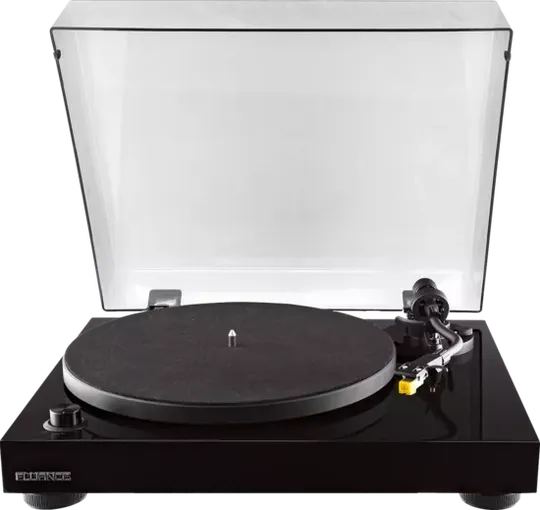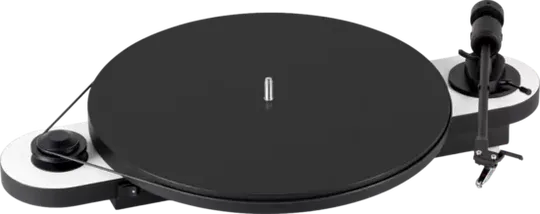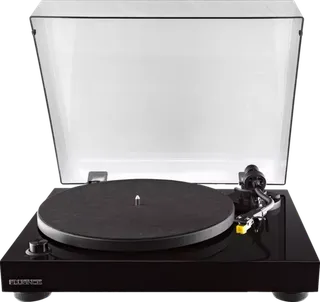
Fluance RT80 vs Pro-Ject Elemental: which is better?

Add a third product

Winner: Fluance RT80

Wins 3 of 4 areas

Who should buy the RT80?

  • Stronger specifications
  • Stronger features
  • Tonearm shape: S-shape

Who should buy the Elemental?

  • Stronger cartridge
  • Channel separation: 22 dB
  • Newer model

Who leads by area

Area score out of 100: how close each product is to the best value in every spec, weighted by how much buyers care.

RT80Elemental
  • 97 Design 82
  • 100 Specifications 90
  • 71 Cartridge 100
  • 100 Features 85
  • Tonearm shape
    RT80S-shape ElementalStraight
  • Auto-stop
    RT80Yes ElementalNo
  • Built-in preamp
    RT80Yes ElementalNo
  • Channel separation
    RT8018 dB Elemental22 dB
    +4 dB vs RT80
  • Wow and flutter
    RT800.2% Elemental0.27%
    −0.07% vs Elemental
  • Cartridge frequency (high)
    RT8020,000 Hz Elemental25,000 Hz
    +5000 Hz vs RT80

Best prices

Prices are updated daily and may differ from the shop. We may earn a commission from purchases.

Fluance RT80from $249
Pro-Ject Elementalfrom $299

Overview

Why is it better?
Fluance RT80 wins in 6 specs
  • Tonearm shape
    S-shape
    vs Straight
  • Auto-stop
    Yes
    vs No
  • Built-in preamp
    Yes
    vs No
  • Wow and flutter
    0.2%
    vs 0.27%
  • Signal-to-noise ratio (SNR)
    67 dB
    vs 65 dB
  • Platter material
    Aluminum
    vs MDF
Pro-Ject Elemental wins in 6 specs
  • Channel separation
    22 dB
    vs 18 dB
  • Cartridge frequency (high)
    25,000 Hz
    vs 20,000 Hz
  • Height
    90 mm
    vs 140 mm
  • Thickness
    300 mm
    vs 349 mm
  • Weight
    2700 g
    vs 5000 g
  • Width
    415 mm
    vs 419 mm
All specifications side by side
Fluance RT80
Fluance RT80
Fluance
from $249
Winner
Pro-Ject Elemental
Pro-Ject Elemental
Pro-Ject
from $299
Comparexo score
5.4
Winner
4.6
Overall score
Design
Specifications
Cartridge
Features
8.3 points
2.9 points
2.9 points
6.7 points
7.0 points
2.5 points
5.8 points
3.3 points

Sound and battery

What matters most

No differences in this section

Weight
5000 g
2700 g

Design

Specifications

No differences in this section

Drive type
Belt drive
Belt drive
Platter material
Aluminum
MDF
Tonearm material
Aluminum
Aluminum
Tonearm shape
S-shape
Straight
Width
419 mm
415 mm
Height
140 mm
90 mm
Thickness
349 mm
300 mm
Weight
5000 g
2700 g
Volume
20,472.34 cm³
11,205 cm³

Specifications

Specifications

No differences in this section

Wow and flutter
0.2%
0.27%
Signal-to-noise ratio (SNR)
67 dB
65 dB
USB output
No
No
Bluetooth
No
No
Record speeds
45, 33 1/3
45, 33 1/3

Cartridge

Specifications

No differences in this section

Cartridge type
Moving magnet (MM)
Moving magnet (MM)
Channel separation
18 dB
22 dB
Cartridge frequency (low)
20 Hz
20 Hz
Cartridge frequency (high)
20,000 Hz
25,000 Hz

Features

Specifications

No differences in this section

Release date
1 Mar 2016
19 Jul 2016
Built-in preamp
Yes
No
Anti-skating
Yes
Yes
Auto-start
No
No
Auto-stop
Yes
No
Auto-return
No
No
45 adapter
Yes
Yes

Winner: Fluance RT80

5.4

Fluance RT80 is better in 3 of 4 areas: it leads on the specs buyers care about most, and by a wider margin.

Tonearm shape

S-shape vs Straight

Auto-stop

Yes vs No

Built-in preamp

Yes vs No

Wow and flutter −0.07%

0.2% vs 0.27%

Signal-to-noise ratio (SNR) +2 dB

67 dB vs 65 dB

Platter material

Aluminum vs MDF