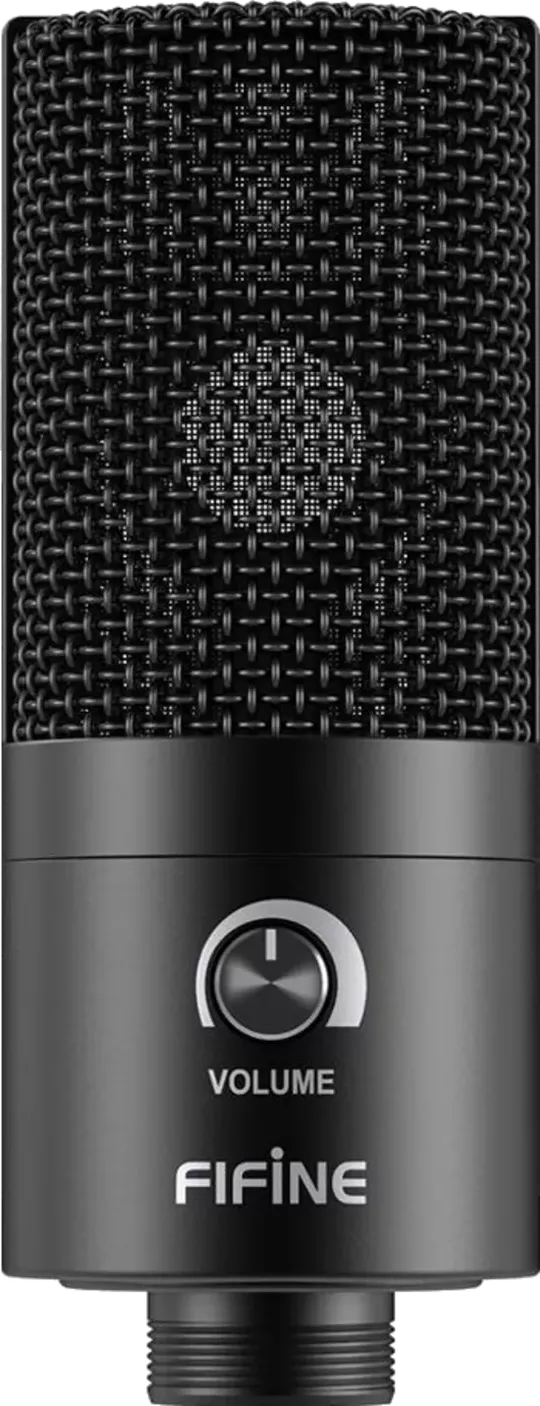
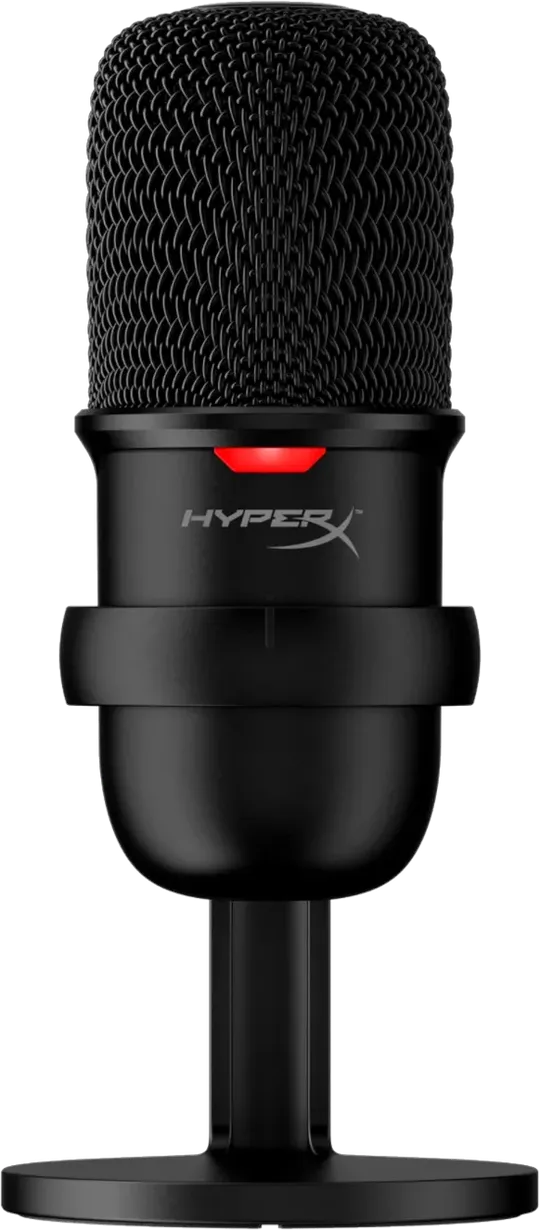
Fifine K669B vs HyperX SoloCast: which is better?

Add a third product

Winner: HyperX SoloCast

Wins 2 of 3 areas

K669B scores more points on the specs both products share, while SoloCast has the clearly higher overall Comparexo score across all its specs.

Who should buy the K669B?

  • Stronger design
  • Volume: 630 cm³
  • Lower price

Who should buy the SoloCast?

  • Stronger sound quality
  • Stronger features
  • Audio interface frequency rate: 96 kHz

Who leads by area

Area score out of 100: how close each product is to the best value in every spec, weighted by how much buyers care.

K669BSoloCast
  • 77 Sound quality 100
  • 95 Features 100
  • 97 Design 79
  • Volume
    K669B630 cm³ SoloCast1316.5 cm³
    −686.5 cm³ vs SoloCast
  • Thickness
    K669B50 mm SoloCast97 mm
    −47 mm vs SoloCast
  • Audio interface frequency rate
    K669B48 kHz SoloCast96 kHz
    ×2 vs K669B
  • Mute function
    K669BNo SoloCastYes
  • Height
    K669B140 mm SoloCast174 mm
    −34 mm vs SoloCast
  • Audio interface bit rate
    K669B16-bit SoloCast24-bit
    ×1.5 vs K669B

Best prices

Prices are updated daily and may differ from the shop. We may earn a commission from purchases.

Fifine K669Bfrom $32.99
HyperX SoloCastfrom $69.00

Overview

Why is it better?
Fifine K669B wins in 5 specs
  • Volume
    630 cm³
    vs 1316.5 cm³
  • Thickness
    50 mm
    vs 97 mm
  • Height
    140 mm
    vs 174 mm
  • Control panel on device
    Yes
    vs No
  • Weight
    400 g
    vs 429.9 g
HyperX SoloCast wins in 5 specs
  • Audio interface frequency rate
    96 kHz
    vs 48 kHz
  • Mute function
    Yes
    vs No
  • Audio interface bit rate
    24-bit
    vs 16-bit
  • Width
    78 mm
    vs 90 mm
  • LED sound level indicator
    Yes
    vs No
All specifications side by side
Fifine K669B
Fifine K669B
Fifine
from $32.99
HyperX SoloCast
HyperX SoloCast
HyperX
from $69.00
Winner
Comparexo score
1.9
Overall score
4.6
Winner
Sound quality
Features
Headphone output
Design
5.5 points
2.2 points
0.0 points
4.8 points
6.6 points
3.7 points
2.6 points
4.6 points

Sound and battery

What matters most

No differences in this section

Weight
400 g
429.9 g

Sound quality

Specifications

No differences in this section

Connection
USB
USB
Lowest mic frequency
20 Hz
20 Hz
Audio interface frequency rate
48 kHz
96 kHz
Highest mic frequency
20,000 Hz
20,000 Hz
Audio interface bit rate
16-bit
24-bit
Signal-to-noise ratio (SNR)
78 dB
Unknown

Features

Specifications

No differences in this section

Release date
28 Feb 2017
2 Nov 2020
Number of polar patterns
1
1
Cardioid pattern
Yes
Yes
Mute function
No
Yes
Omni pattern
No
No
Compatible with Android
No
No
Compatible with iOS
No
No
Compatible with Mac OS X
Yes
Yes
Hyper-cardioid pattern
No
No
Flat DSP mode
No
No
DSP presets
0
Unknown
Bidirectional pattern
No
No
Is compatible with Windows
Yes
Yes

Headphone output

Specifications

No differences in this section

3.5mm audio jack
No
No
Highest frequency
Unknown
48,000 Hz
Has a connector for a 6.35 mm audio jack
No
No

Design

Specifications

No differences in this section

Shock mount
No
No
Pop filter
No
No
Control panel on device
Yes
No
LED sound level indicator
No
Yes
Cable length
Unknown
2 m
Integrated touchpad
No
No
Weight
400 g
429.9 g
Height
140 mm
174 mm
Thickness
50 mm
97 mm
Width
90 mm
78 mm
Volume
630 cm³
1316.5 cm³

Winner: HyperX SoloCast

4.6

HyperX SoloCast is better in 2 of 3 areas: it leads on the specs buyers care about most, and by a wider margin.

Audio interface frequency rate ×2

96 kHz vs 48 kHz

Mute function

Yes vs No

Audio interface bit rate ×1.5

24-bit vs 16-bit

Width −12 mm

78 mm vs 90 mm

LED sound level indicator

Yes vs No