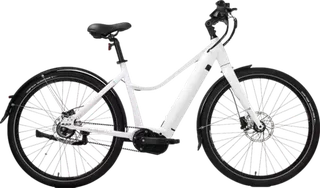
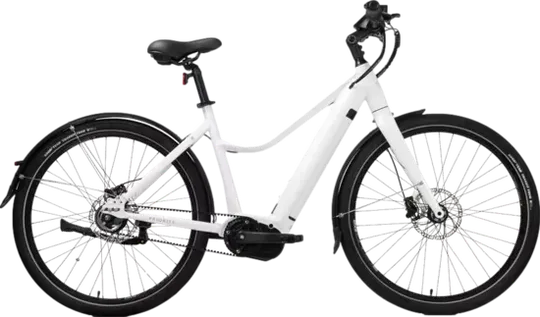
Engwe Engine Pro 3.0 Boost vs Priority Current E-Bike: which is better?

Add a third product

Winner: Engwe Engine Pro 3.0 Boost

Wins 2 of 4 areas

Who should buy the Pro 3.0 Boost?

  • Stronger features
  • Stronger battery
  • Maximum distance per charge: 130 km

Who should buy the Current E-Bike?

  • Stronger design
  • Weight: 24,000 g

Who leads by area

Area score out of 100: how close each product is to the best value in every spec, weighted by how much buyers care.

Pro 3.0 BoostCurrent E-Bike
  • 84 Design 87
  • 92 Battery 72
  • 85 Performance 83
  • 100 Features 88
  • Maximum distance per charge Important
    Pro 3.0 Boost130 km Current E-Bike80 km
    ×1.6 vs Current E-Bike
  • Weight Important
    Pro 3.0 Boost34,700 g Current E-Bike24,000 g
    −10,700 g vs Pro 3.0 Boost
  • Motor power
    Pro 3.0 Boost250 W Current E-Bike500 W
    ×2 vs Pro 3.0 Boost
  • Dedicated smartphone app Important
    Pro 3.0 BoostYes Current E-BikeNo
  • Maximum torque Important
    Pro 3.0 Boost90 Nm Current E-Bike140 Nm
    ×1.6 vs Pro 3.0 Boost
  • Front suspension
    Pro 3.0 BoostYes Current E-BikeNo

Best prices

Prices are updated daily and may differ from the shop. We may earn a commission from purchases.

Engwe Engine Pro 3.0 Boost
Priority Current E-Bike

Overview

Why is it better?
Engwe Engine Pro 3.0 Boost wins in 10 specs
  • Maximum distance per charge
    130 km
    vs 80 km
  • Dedicated smartphone app
    Yes
    vs No
  • Front suspension
    Yes
    vs No
  • Removable battery
    Yes
    vs No
  • Battery size
    720 Wh
    vs 500 Wh
  • Turbo mode
    Yes
    vs No
  • Rear suspension
    Yes
    vs No
  • Eco mode
    Yes
    vs No
Priority Current E-Bike wins in 6 specs
  • Weight
    24,000 g
    vs 34,700 g
  • Motor power
    500 W
    vs 250 W
  • Maximum torque
    140 Nm
    vs 90 Nm
  • In-frame battery
    Yes
    vs No
  • Charge time
    3 hours
    vs 4 hours
  • Top speed
    45 km/h
    vs 25 km/h
All specifications side by side
Comparexo score
8.3
Winner
4.8
Overall score
Design
Battery
Performance
Features

6.7 points
8.1 points
6.9 points
5.4 points
3.9 points
2.7 points
5.5 points
4.3 points

Performance

What matters most

No differences in this section

Design

Specifications

No differences in this section

Frame material
Aluminum
Aluminum
Weight
34,700 g
24,000 g
Front suspension
Yes
No
Rear suspension
Yes
No
In-frame battery
No
Yes
Foldable
Yes
No
Internal cable routing
Yes
Yes
Designed for kids
No
Unknown

Battery

Specifications

No differences in this section

Battery size
720 Wh
500 Wh
Charge time
4 hours
3 hours
Regenerative braking
Yes
No
Removable battery
Yes
No

Performance

Specifications

No differences in this section

Maximum distance per charge
130 km
80 km
Braking system
Hydraulic disc brakes
Maximum torque
90 Nm
140 Nm
Turbo mode
Yes
No
Eco mode
Yes
No
Motor power
250 W
500 W
Multi-gear bike
Yes
Yes
Number of gears
7
Unknown
Single-gear bike
No
No
Drive motor type
Mid-drive motor
Mid-drive motor
Top speed
25 km/h
45 km/h

Features

Specifications

No differences in this section

Release date
24 Sep 2025
30 Dec 2020
Pedal sensor type
Torque sensor
Torque sensor
Anti-theft
No
No
Built-in lock
No
No
Integrated display
Yes
Yes
Dedicated smartphone app
Yes
No
GPS
No
No
Front light(s)
Yes
Yes
Rear light(s)
Yes
Yes

Winner: Engwe Engine Pro 3.0 Boost

Engwe Engine Pro 3.0 Boost is better in 2 of 4 areas: it leads on the specs buyers care about most, and by a wider margin.

Maximum distance per charge ×1.6

130 km vs 80 km

Dedicated smartphone app

Yes vs No

Front suspension

Yes vs No

Removable battery

Yes vs No

Battery size +220 Wh

720 Wh vs 500 Wh

Turbo mode

Yes vs No

Rear suspension

Yes vs No

Eco mode

Yes vs No