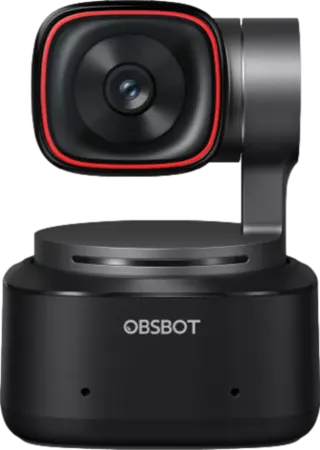
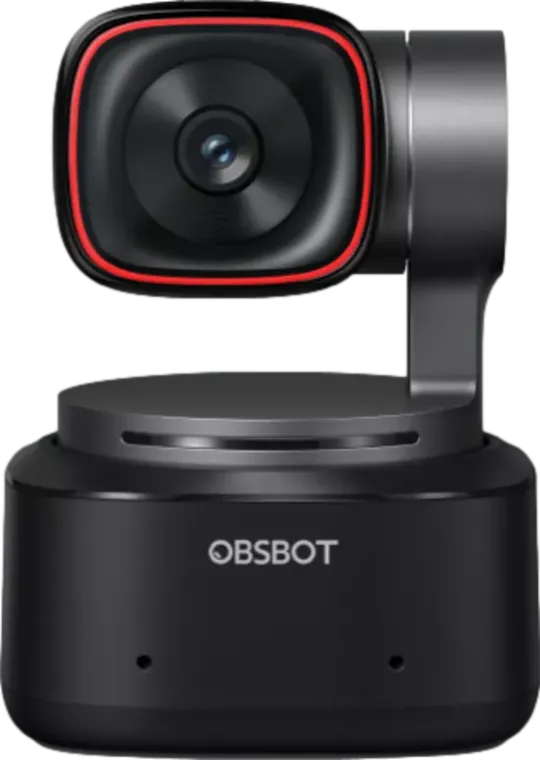
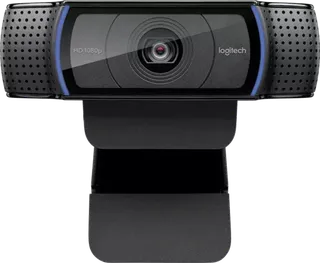
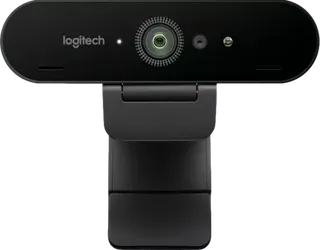
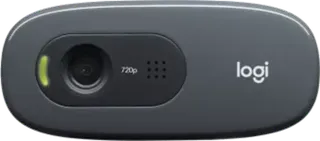
eMeet C960 Pro vs Obsbot Tiny 2: which is better?

Add a third product

Winner: Obsbot Tiny 2

Wins 4 of 5 areas

Who should buy the C960 Pro?

  • Stronger audio

Who should buy the Tiny 2?

  • Stronger optics
  • Stronger videography
  • Video recording: 2160 × 30 fps

Who leads by area

Area score out of 100: how close each product is to the best value in every spec, weighted by how much buyers care.

C960 ProTiny 2
  • 83 Design 98
  • 66 Videography 99
  • 67 Optics 100
  • 100 Audio 69
  • 95 Connectivity & Features 97
  • Video recording Important
    C960 Pro1080 × 30 fps Tiny 22160 × 30 fps
    ×2 vs C960 Pro
  • Privacy shutter
    C960 ProNo Tiny 2Yes
  • HDR mode
    C960 ProNo Tiny 2Yes
  • Indicator light
    C960 ProNo Tiny 2Yes
  • Adjustable field of view
    C960 ProNo Tiny 2Yes
  • Continuous autofocus for movies
    C960 ProNo Tiny 2Yes

Best prices

Prices are updated daily and may differ from the shop. We may earn a commission from purchases.

eMeet C960 Pro
Obsbot Tiny 2from $299

Overview

Why is it better?
eMeet C960 Pro wins in 6 specs
  • Built-in speaker
    Yes
    vs No
  • Number of microphones
    4
    vs 2
  • Weight
    133 g
    vs 143.3 g
  • Compatible with Chrome OS
    Yes
    vs No
  • Field of view
    90°
    vs 85.5°
  • Compatible with iOS
    Yes
    vs No
Obsbot Tiny 2 wins in 11 specs
  • Video recording
    2160 × 30 fps
    vs 1080 × 30 fps
  • Privacy shutter
    Yes
    vs No
  • HDR mode
    Yes
    vs No
  • Indicator light
    Yes
    vs No
  • Adjustable field of view
    Yes
    vs No
  • Continuous autofocus for movies
    Yes
    vs No
  • CMOS sensor
    Yes
    vs No
  • USB Type-C
    Yes
    vs No
All specifications side by side
Comparexo score
5.3
Overall score
9.8
Winner
Design
Videography
Optics
Audio
Connectivity & Features
5.1 points
2.0 points
2.4 points
8.0 points
3.7 points
8.5 points
7.7 points
7.2 points
5.0 points
6.6 points

Imaging

What matters most

No differences in this section

Megapixels (main camera)
Unknown
50 MP

Design

Specifications

No differences in this section

Privacy shutter
No
Yes
Indicator light
No
Yes
Tripod mount
Yes
Yes
Video light
No
No
Motion sensor
No
No
Maximum operating temperature
Unknown
40 °C
Lowest potential operating temperature
Unknown
0 °C
Thickness
55 mm
44 mm
Height
75 mm
62.02 mm
Weight
133 g
143.3 g
Width
133 mm
47 mm

Videography

Specifications

No differences in this section

Auto light correction
Yes
Yes
Continuous autofocus for movies
No
Yes
Field of view
90°
85.5°
Adjustable field of view
No
Yes
Vertical video recording
Unknown
No
Live streaming
Unknown
Yes
HDR mode
No
Yes
Video recording
1080 × 30 fps
2160 × 30 fps

Optics

Specifications

No differences in this section

Megapixels (main camera)
Unknown
50 MP
Glass lens
Yes
Yes
Damage-resistant glass
No
Unknown
CMOS sensor
No
Yes
Sensor size
Unknown
6.4 × 4.8 mm

Audio

Specifications

No differences in this section

Noise-canceling microphone
Unknown
Yes
Built-in microphone
Yes
Yes
Number of microphones
4
2
Stereo microphone
Yes
Unknown
Built-in speaker
Yes
No

Connectivity & Features

Specifications

No differences in this section

Release date
2 Jul 2021
15 Mar 2023
Gesture control
Unknown
Yes
USB Type-C
No
Yes
Cable length
1.8 m
Unknown
Detachable cable
Yes
Yes
Compatible with Android
Unknown
Yes
Compatible with Chrome OS
Yes
No
Compatible with iOS
Yes
No
Compatible with Mac OS X
Yes
Yes
Bluetooth
Unknown
No
HDMI output
No
No
3.5mm audio jack
No
No
Is compatible with Windows
Yes
Yes

Miscellaneous

Specifications

No differences in this section

Supports a remote smartphone
Unknown
No
Has a remote control
Unknown
Yes
Wide aperture
Unknown
1.9 f
Has voice commands
Unknown
Yes

Winner: Obsbot Tiny 2

9.8

Obsbot Tiny 2 is better in 4 of 5 areas: it leads on the specs buyers care about most, and by a wider margin.

Video recording ×2

2160 × 30 fps vs 1080 × 30 fps

Privacy shutter

Yes vs No

HDR mode

Yes vs No

Indicator light

Yes vs No

Adjustable field of view

Yes vs No

Continuous autofocus for movies

Yes vs No

CMOS sensor

Yes vs No

USB Type-C

Yes vs No