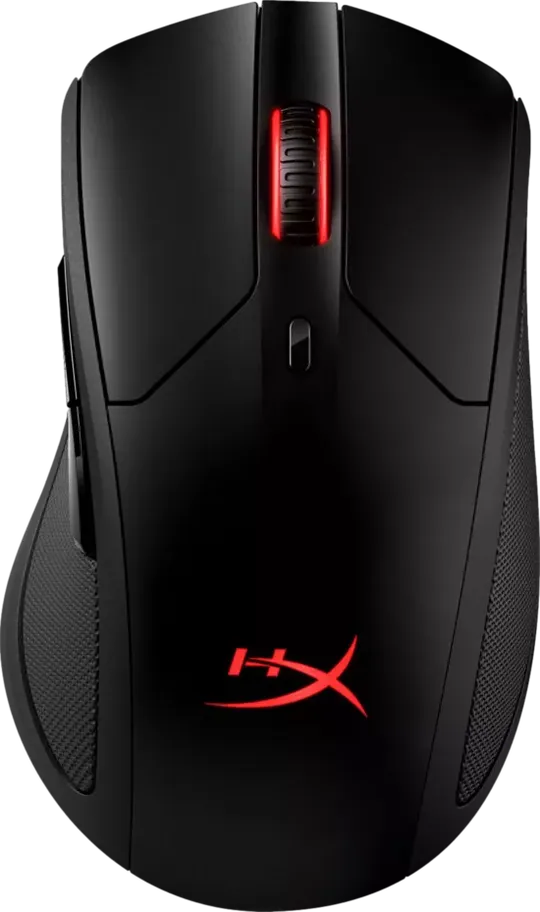
Attack Shark V8 vs HyperX Pulsefire Dart: which is better?

Add a third product

Winner: Attack Shark V8

Wins 1 of 4 areas

Who should buy the V8?

  • Stronger performance
  • Polling rate: 8000 Hz
  • Lower price

Who should buy the Pulsefire Dart?

  • Stronger buttons
  • Onboard memory profiles: 1

Who leads by area

Area score out of 100: how close each product is to the best value in every spec, weighted by how much buyers care.

V8Pulsefire Dart
  • 96 Performance 77
  • 94 General info 94
  • 84 Buttons 100
  • 92 Design 93
  • Polling rate Important
    V88000 Hz Pulsefire Dart1000 Hz
    ×8 vs Pulsefire Dart
  • Battery life
    V8400 hours Pulsefire Dart90 hours
    ×4.4 vs Pulsefire Dart
  • Onboard memory profiles
    V80 Pulsefire Dart1
    +1 vs V8
  • RGB lighting
    V8No Pulsefire DartYes
  • Weight
    V859 g Pulsefire Dart110 g
    −51 g vs Pulsefire Dart
  • Number of programmable buttons
    V85 Pulsefire Dart6
    +1 vs V8

Best prices

Prices are updated daily and may differ from the shop. We may earn a commission from purchases.

Attack Shark V8from $39.95
HyperX Pulsefire Dartfrom $89.95

Overview

Why is it better?
Attack Shark V8 wins in 8 specs
  • Polling rate
    8000 Hz
    vs 1000 Hz
  • Battery life
    400 hours
    vs 90 hours
  • Weight
    59 g
    vs 110 g
  • Maximum speed
    750 IPS
    vs 450 IPS
  • Maximum acceleration
    65 G
    vs 50 G
  • Maximum DPI
    42,000 DPI
    vs 16,000 DPI
  • Width
    67.8 mm
    vs 73.9 mm
  • Thickness
    40.7 mm
    vs 43.6 mm
HyperX Pulsefire Dart wins in 7 specs
  • Onboard memory profiles
    1
    vs 0
  • RGB lighting
    Yes
    vs No
  • Number of programmable buttons
    6
    vs 5
  • Minimum DPI
    100 DPI
    vs 800 DPI
  • Number of buttons
    6
    vs 5
  • Wireless charging
    Yes
    vs No
  • Height
    124.8 mm
    vs 126.4 mm
All specifications side by side
Attack Shark V8
Attack Shark V8
Attack Shark
from $39.95
Winner
HyperX Pulsefire Dart
HyperX
from $89.95
Comparexo score
5.4
Winner
5.2
Overall score
Performance
General info
Buttons
Design

8.5 points
5.5 points
3.2 points
4.6 points
5.8 points
7.4 points
3.4 points
4.4 points

Key specs

What matters most

No differences in this section

Weight
59 g
110 g

Performance

Specifications

No differences in this section

Polling rate
8000 Hz
1000 Hz
Maximum speed
750 IPS
450 IPS
Maximum acceleration
65 G
50 G
Maximum DPI
42,000 DPI
16,000 DPI
Minimum DPI
800 DPI
100 DPI
Adjustable DPI
Yes
Yes

General info

Specifications

No differences in this section

Type
Gaming
Gaming
Connection type
2.4GHz wireless, USB, Bluetooth
2.4GHz wireless
Sensor
PixArt PAW3950 Max
PixArt PMW3389
Onboard memory profiles
0
1
Gesture support
No
No
Battery life
400 hours
90 hours
Use while charging
Yes
Yes
Wireless charging
No
Yes
Rechargeable battery
Yes
Yes
Removable battery
No
No
Warranty period
1 years
Unknown
Release date
1 Jan 2026
27 Jun 2021

Buttons

Specifications

No differences in this section

Number of buttons
5
6
Number of side buttons
2
2
Number of programmable buttons
5
6
DPI switching button
Yes
Yes
Profile switching button
No
No

Design

Specifications

No differences in this section

Orientation
Right-handed
Right-handed
Weight
59 g
110 g
RGB lighting
No
Yes
Tilting scroll wheel
No
No
Thumb scroll wheel
No
No
Tuning weights included
No
No
Cable length
1.8 m
Unknown
Thickness
40.7 mm
43.6 mm
Height
126.4 mm
124.8 mm
Width
67.8 mm
73.9 mm
Size class
Large
Large

Winner: Attack Shark V8

5.4

Attack Shark V8 is better in 1 of 4 areas: it leads on the specs buyers care about most, and by a wider margin.

Polling rate ×8

8000 Hz vs 1000 Hz

Battery life ×4.4

400 hours vs 90 hours

Weight −51 g

59 g vs 110 g

Maximum speed ×1.7

750 IPS vs 450 IPS

Maximum acceleration +15 G

65 G vs 50 G

Maximum DPI ×2.6

42,000 DPI vs 16,000 DPI

Width −6.1 mm

67.8 mm vs 73.9 mm

Thickness −2.9 mm

40.7 mm vs 43.6 mm