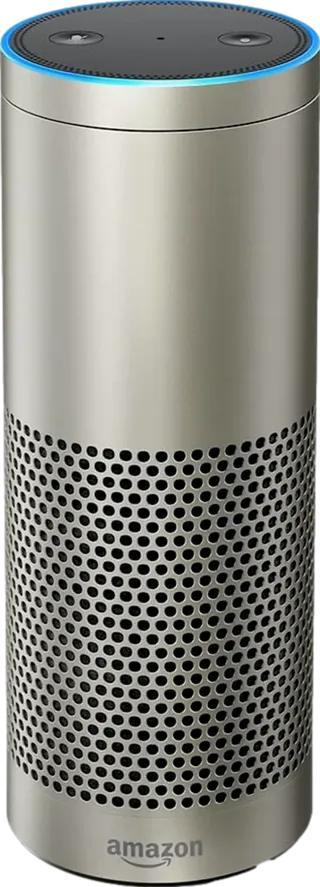
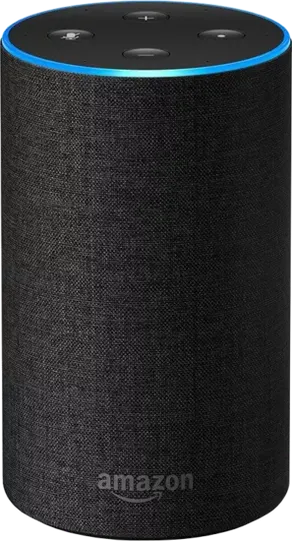
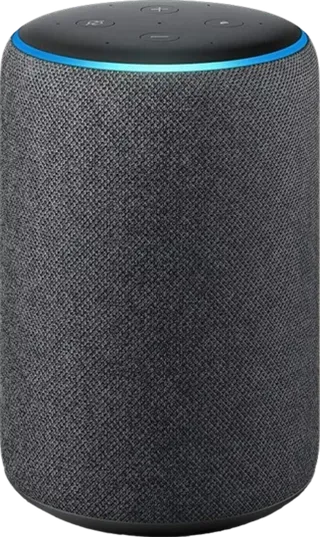
Amazon Echo (4th Gen) vs Amazon Echo Dot (5th Gen): which is better?

Add a third product

Winner: Amazon Echo (4th Gen)

Wins 3 of 4 areas

Who should buy the Echo?

  • Stronger features
  • Stronger sound quality
  • Speaker sizes one: 2 × 0.8 + 1 × 3"

Who should buy the Echo Dot?

  • Stronger design
  • Volume: 890 cm³
  • Lower price

Who leads by area

Area score out of 100: how close each product is to the best value in every spec, weighted by how much buyers care.

EchoEcho Dot
  • 100 Features 96
  • 100 Sound quality 77
  • 100 General info 92
  • 71 Design 100
  • Volume Important
    Echo2757.9 cm³ Echo Dot890 cm³
    −1867.9 cm³ vs Echo
  • Speaker sizes one Important
    Echo2 × 0.8 + 1 × 3" Echo Dot1 × 1.73"
    ×2.7 vs Echo Dot
  • Thickness
    Echo144 mm Echo Dot89 mm
    −55 mm vs Echo
  • Zigbee hub
    EchoYes Echo DotNo
  • Width
    Echo144 mm Echo Dot100 mm
    −44 mm vs Echo
  • AUX input
    EchoYes Echo DotNo

Best prices

Prices are updated daily and may differ from the shop. We may earn a commission from purchases.

Amazon Echo (4th Gen)from $67.49
Amazon Echo Dot (5th Gen)from $39.99
Show 1 more offer

Overview

Why is it better?
Amazon Echo (4th Gen) wins in 8 specs
  • Speaker sizes one
    2 × 0.8 + 1 × 3"
    vs 1 × 1.73"
  • Zigbee hub
    Yes
    vs No
  • AUX input
    Yes
    vs No
  • Drivers count
    3
    vs 1
  • Neodymium magnet
    Yes
    vs No
  • Number of microphones
    4
    vs 3
  • Driver size
    76.2 mm
    vs 44 mm
  • 3.5mm audio jack
    Yes
    vs No
Amazon Echo Dot (5th Gen) wins in 5 specs
  • Volume
    890 cm³
    vs 2757.9 cm³
  • Thickness
    89 mm
    vs 144 mm
  • Width
    100 mm
    vs 144 mm
  • Height
    100 mm
    vs 133 mm
  • Weight
    340 g
    vs 970 g
All specifications side by side
Comparexo score
8.2
Winner
6.6
Overall score
Features
Sound quality
General info
Design

7.6 points
5.2 points
5.2 points
6.2 points
7.6 points
3.6 points
2.7 points
6.5 points

Sound and battery

What matters most

No differences in this section

Weight
970 g
340 g

Features

Specifications

No differences in this section

Stereo pairing
Yes
Yes
Amazon Alexa
Yes
Yes
Google Assistant
No
No
Siri/HomeKit
No
No
AirPlay
No
No
Chromecast
No
No
Auracast
Unknown
No
Spotify Connect
Yes
Yes
Matter
Unknown
Yes
Mute function
Yes
Yes
Multiple voice recognition
Yes
Yes
Security features
Free
Free
Zigbee hub
Yes
No

Sound quality

Specifications

No differences in this section

Stereo speakers
No
No
Number of microphones
4
3
Passive radiator
No
No
Subwoofer
No
No
Dolby Atmos
No
No
Highest frequency
20,000 Hz
Unknown
Lowest frequency
20 Hz
Unknown
Neodymium magnet
Yes
No
Lowest mic frequency
Unknown
100 Hz
Magnetic shielding
No
No
Drivers count
3
1
Driver size
76.2 mm
44 mm
Speaker sizes one
2 × 0.8 + 1 × 3"
1 × 1.73"
Highest frequency mic
Unknown
40,000 Hz

General info

Specifications

No differences in this section

Release date
25 Sep 2020
20 Oct 2022
AUX input
Yes
No
Detachable cable
Yes
Yes
Warranty period
1 years
1 years
Bluetooth version
5
5
Wi-Fi version
Wi-Fi 5 (802.11ac), Wi-Fi 4 (802.11n)
AptX
No
No
DLNA certification
No
No
Ethernet port
No
No
3.5mm audio jack
Yes
No

Design

Specifications

No differences in this section

Height
133 mm
100 mm
Width
144 mm
100 mm
Thickness
144 mm
89 mm
Weight
970 g
340 g
Touch screen
No
No
Control panel placed on a device
Yes
Yes
Volume
2757.9 cm³
890 cm³

Winner: Amazon Echo (4th Gen)

Amazon Echo (4th Gen) is better in 3 of 4 areas: it leads on the specs buyers care about most, and by a wider margin.

Speaker sizes one ×2.7

2 × 0.8 + 1 × 3" vs 1 × 1.73"

Zigbee hub

Yes vs No

AUX input

Yes vs No

Drivers count ×3

3 vs 1

Neodymium magnet

Yes vs No

Number of microphones +1

4 vs 3

Driver size ×1.7

76.2 mm vs 44 mm

3.5mm audio jack

Yes vs No