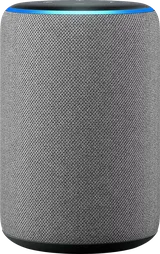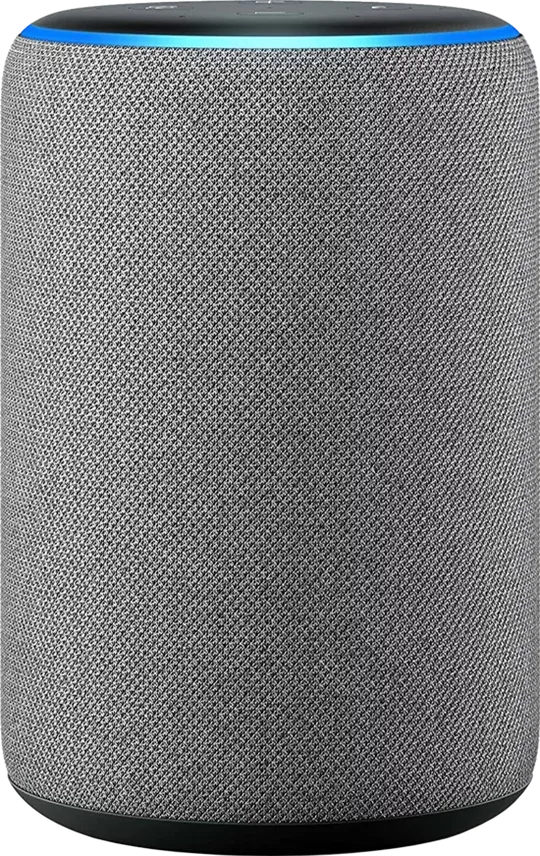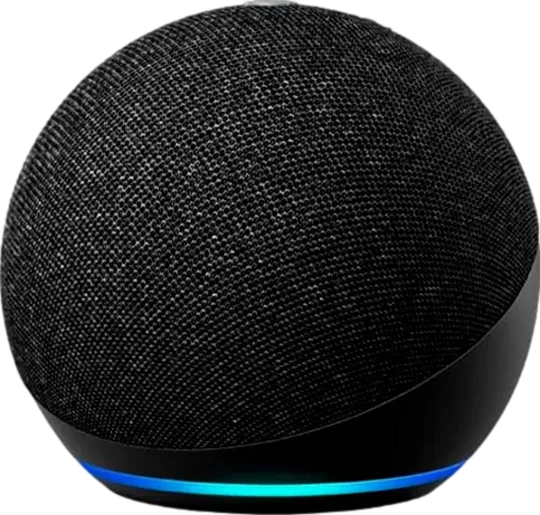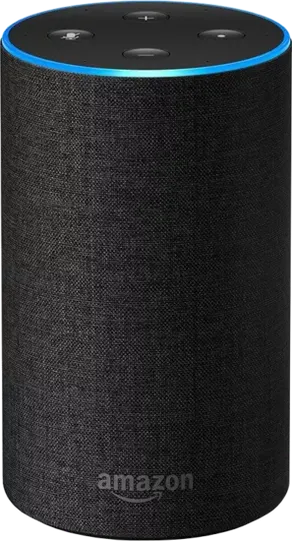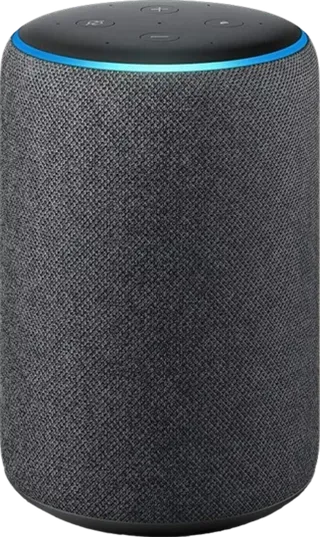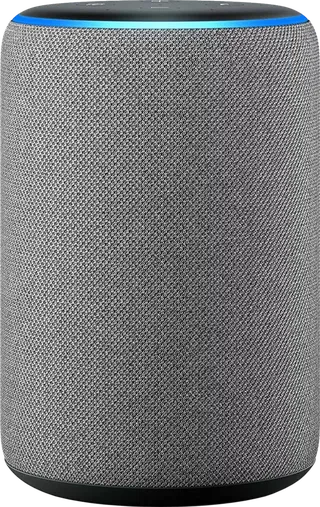
Amazon Echo (3rd Gen) vs Amazon Echo Dot (4th Gen): which is better?

Add a third product

Winner: Amazon Echo (3rd Gen)

Wins 2 of 4 areas

Who should buy the Echo?

  • Stronger features
  • Stronger sound quality
  • Speaker sizes one: 1 × 0.8 + 1 × 3"

Who should buy the Echo Dot?

  • Stronger general info
  • Stronger design
  • Volume: 890 cm³

Who leads by area

Area score out of 100: how close each product is to the best value in every spec, weighted by how much buyers care.

EchoEcho Dot
  • 100 Features 96
  • 100 Sound quality 72
  • 97 General info 100
  • 85 Design 100
  • Speaker sizes one Important
    Echo1 × 0.8 + 1 × 3" Echo Dot1 × 1.6"
    ×2.4 vs Echo Dot
  • Volume Important
    Echo1450.5 cm³ Echo Dot890 cm³
    −560.5 cm³ vs Echo
  • Subwoofer
    EchoYes Echo DotNo
  • Height
    Echo148 mm Echo Dot89 mm
    −59 mm vs Echo
  • Zigbee hub
    EchoYes Echo DotNo
  • Number of microphones
    Echo7 Echo Dot4
    ×1.8 vs Echo Dot

Best prices

Prices are updated daily and may differ from the shop. We may earn a commission from purchases.

Amazon Echo (3rd Gen)
Amazon Echo Dot (4th Gen)from $34.99

Overview

Why is it better?
Amazon Echo (3rd Gen) wins in 9 specs
  • Speaker sizes one
    1 × 0.8 + 1 × 3"
    vs 1 × 1.6"
  • Subwoofer
    Yes
    vs No
  • Zigbee hub
    Yes
    vs No
  • Number of microphones
    7
    vs 4
  • Neodymium magnet
    Yes
    vs No
  • Drivers count
    2
    vs 1
  • Driver size
    76.2 mm
    vs 41 mm
  • Thickness
    99 mm
    vs 100 mm
Amazon Echo Dot (4th Gen) wins in 4 specs
  • Volume
    890 cm³
    vs 1450.5 cm³
  • Height
    89 mm
    vs 148 mm
  • Detachable cable
    Yes
    vs No
  • Weight
    328 g
    vs 780 g
All specifications side by side
Comparexo score
7.0
Winner
5.9
Overall score
Features
Sound quality
General info
Design
7.6 points
4.9 points
2.3 points
6.4 points
6.4 points
2.9 points
3.9 points
6.5 points

Sound and battery

What matters most

No differences in this section

Weight
780 g
328 g

Features

Specifications

No differences in this section

Stereo pairing
Yes
Yes
Amazon Alexa
Yes
Yes
Google Assistant
No
No
Siri/HomeKit
No
No
AirPlay
No
No
Chromecast
No
No
Auracast
No
Unknown
Spotify Connect
Yes
Yes
Matter
No
Unknown
Mute function
Yes
Yes
Multiple voice recognition
Yes
Yes
Security features
Free
Free
Zigbee hub
Yes
No

Sound quality

Specifications

No differences in this section

Stereo speakers
No
No
Number of microphones
7
4
Passive radiator
No
No
Subwoofer
Yes
No
Dolby Atmos
No
No
Highest frequency
Unknown
20,000 Hz
Lowest frequency
Unknown
20 Hz
Neodymium magnet
Yes
No
Magnetic shielding
No
No
Built-in subwoofer size
20 mm
Unknown
Drivers count
2
1
Driver size
76.2 mm
41 mm
Speaker sizes one
1 × 0.8 + 1 × 3"
1 × 1.6"

General info

Specifications

No differences in this section

Release date
12 Dec 2019
25 Sep 2020
AUX input
No
No
Detachable cable
No
Yes
Warranty period
1 years
1 years
Bluetooth version
4
Unknown
Wi-Fi version
Wi-Fi 5 (802.11ac), Wi-Fi 4 (802.11n)
AptX
No
No
DLNA certification
No
No
Ethernet port
No
No
3.5mm audio jack
Yes
Yes

Design

Specifications

No differences in this section

Height
148 mm
89 mm
Width
99 mm
100 mm
Thickness
99 mm
100 mm
Weight
780 g
328 g
Touch screen
No
No
Control panel placed on a device
Yes
Yes
Volume
1450.5 cm³
890 cm³

Winner: Amazon Echo (3rd Gen)

Amazon Echo (3rd Gen) is better in 2 of 4 areas: it leads on the specs buyers care about most, and by a wider margin.

Speaker sizes one ×2.4

1 × 0.8 + 1 × 3" vs 1 × 1.6"

Subwoofer

Yes vs No

Zigbee hub

Yes vs No

Number of microphones ×1.8

7 vs 4

Neodymium magnet

Yes vs No

Drivers count ×2

2 vs 1

Driver size ×1.9

76.2 mm vs 41 mm

Thickness −1 mm

99 mm vs 100 mm